Understanding Near Field Communication
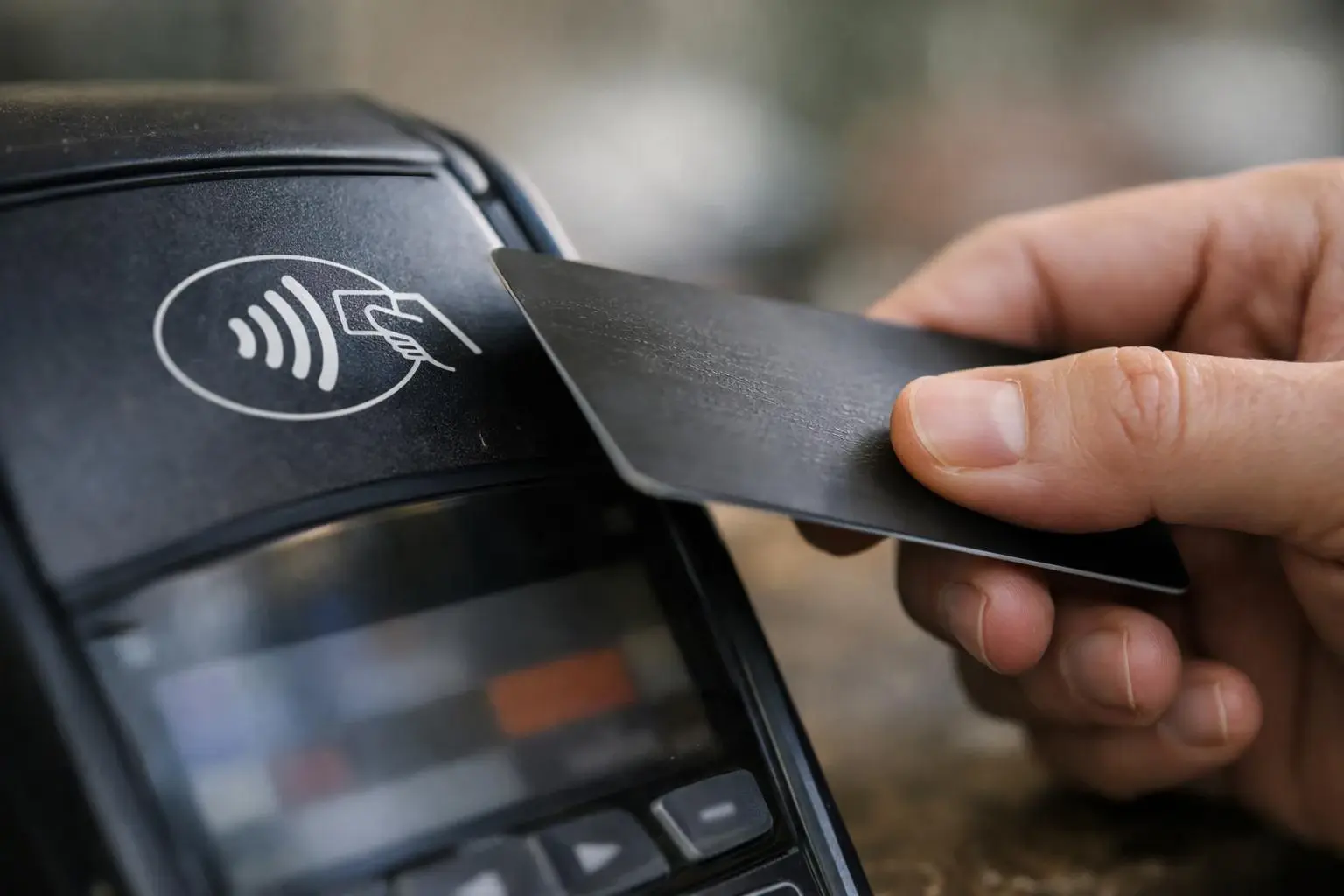
Near Field Communication (NFC) is a wireless standard. It lets two devices exchange data when they're close together. Usually, they must be within 4 centimeters.
Related glossary terms: EMV Chip, Payment Processor, Tokenization.
NFC doesn’t need manual pairing or an internet connection. This makes it great for quick, secure interactions. Examples include mobile payments, digital ticketing. And access control.
NFC works at 13.56 MHz. This frequency is for short-range communication. It keeps signals from interfering with other wireless technologies.
NFC builds on RFID principles but is more interactive. RFID is often used for passive tags, like those in inventory tracking. NFC enables two-way communication between active devices, such as smartphones and payment terminals.
This two-way capability supports multiple modes. These include reader/writer, peer-to-peer. And card emulation. Each serves different uses in commerce and daily life.
How Near Field Communication Works?
NFC works by creating a radio frequency field. This happens when an NFC-enabled device, like a smartphone, powers on. Another NFC device or tag draws power from this field to communicate.
This process is called inductive coupling. It removes the need for batteries in passive NFC tags. Examples include transit cards or stickers. Communication happens in milliseconds. So it feels instant.
NFC has three main modes. In reader/writer mode, an active device reads or writes data to a passive tag. Peer-to-peer mode lets two active devices, like smartphones, exchange data.
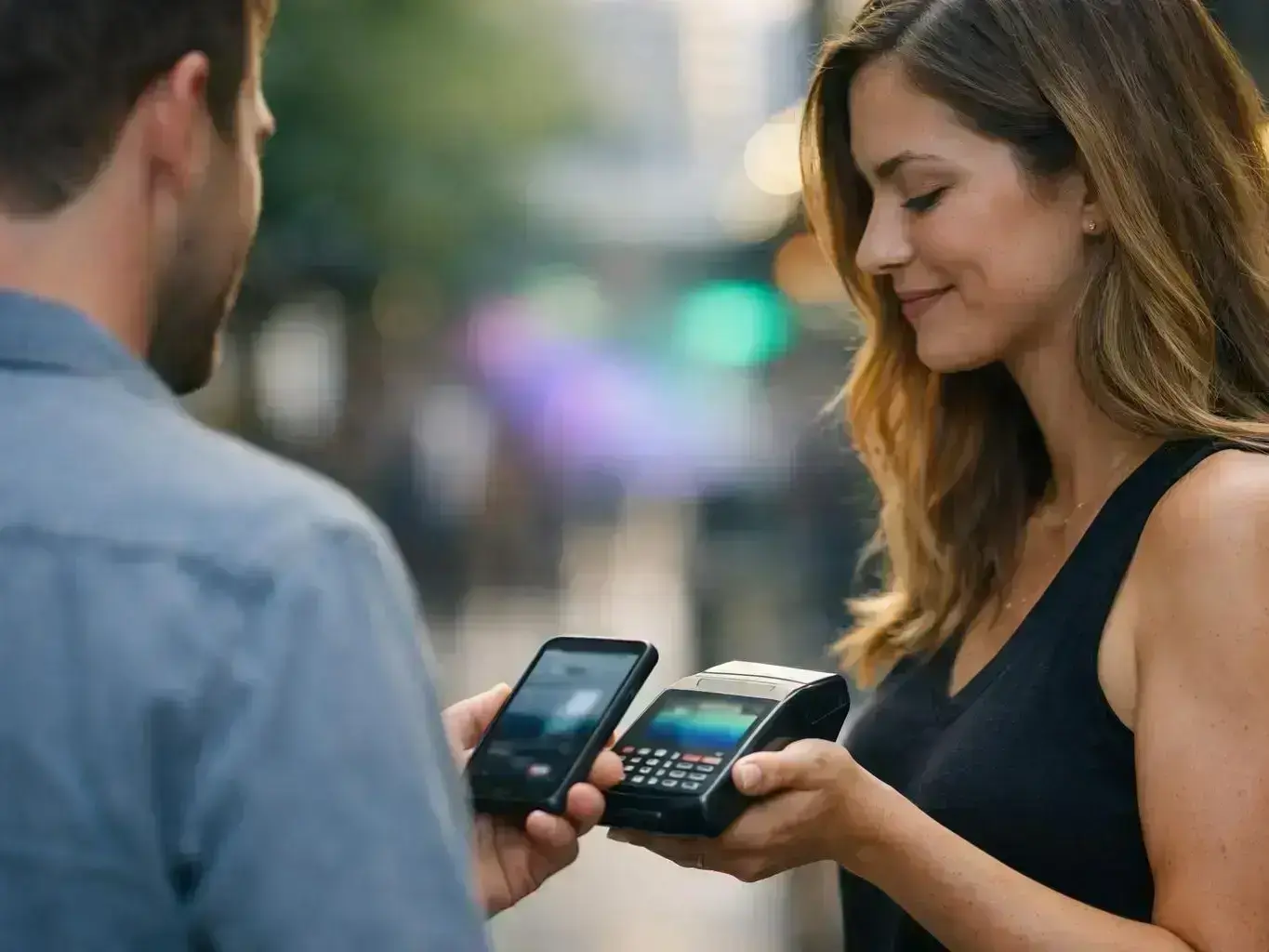
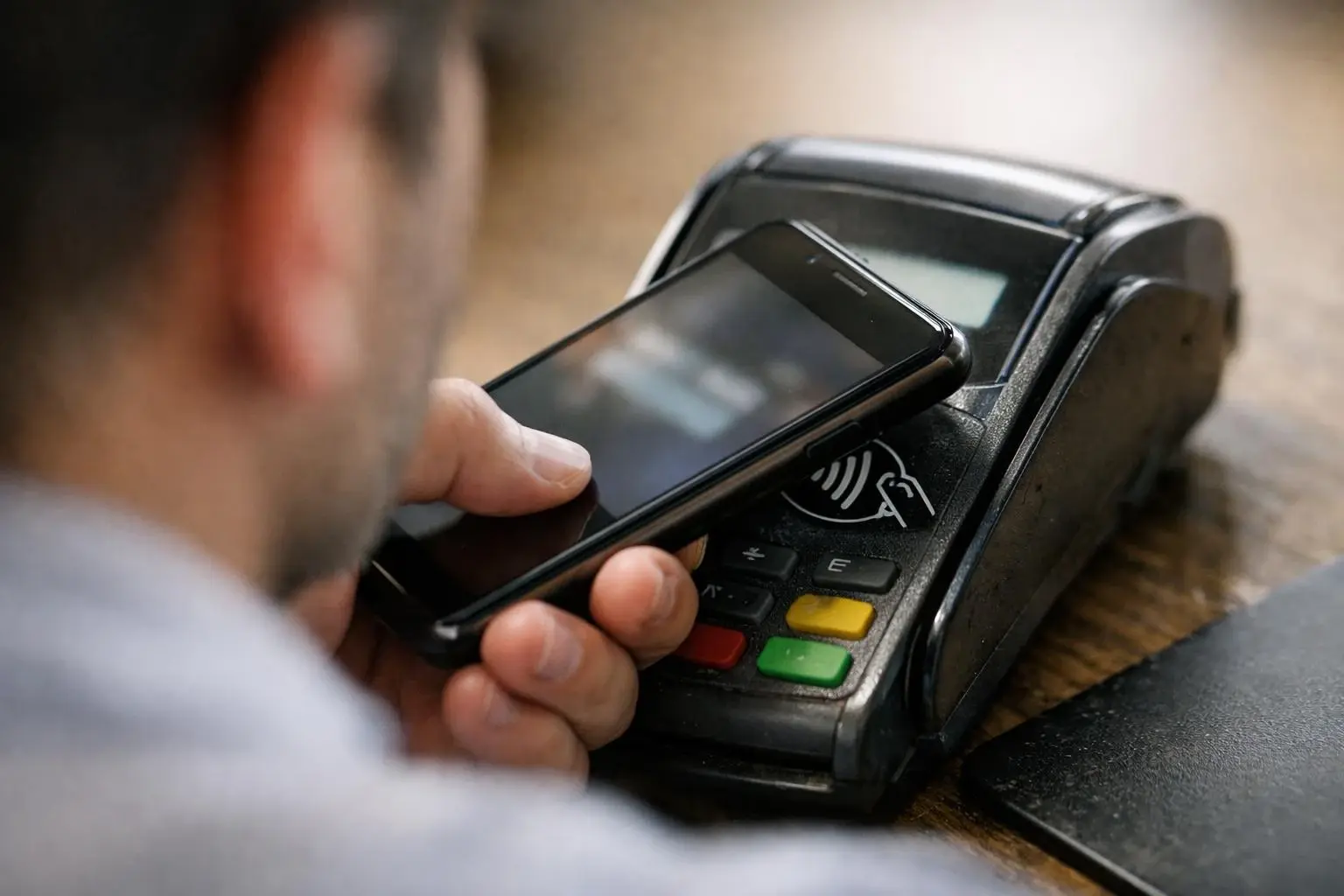
Card emulation mode lets a device act like a contactless card. A smartphone can interact with payment terminals this way. This versatility makes NFC key for modern payments.
Security is critical for NFC. Its short range helps prevent eavesdropping. NFC transactions often use encryption and tokenization.
Tokenization replaces sensitive data with unique tokens. Even if a transaction is intercepted, the original data stays safe. For example, a smartphone tap sends a token, not the actual card number.
Why Near Field Communication Matters?
NFC enables fast, secure. And convenient transactions. It’s important in our digital world. Consumers don’t need to carry cash, cards. Or tickets.
This reduces friction in daily tasks. Examples include paying for groceries or boarding transit. Businesses benefit from faster checkouts and lower fraud risk.
NFC also improves customer satisfaction. It’s scalable for small retailers and large enterprises. From a security view, NFC beats magnetic stripe cards.
It’s also better than chip-and-PIN transactions. NFC transactions are encrypted and often tokenized. This makes them less prone to skimming and cloning.
This is key in high-traffic places like stores or transit systems. NFC devices can support multi-factor authentication. This adds security for banking or access control.
When Near Field Communication Matters Most?
NFC shines where speed, convenience. And security matter. In retail, it enables tap-to-pay transactions. This reduces checkout lines and improves the customer experience.
A customer can tap their phone or card to pay in seconds. They don’t need to insert a card or enter a PIN. This is valuable during busy shopping periods.
NFC is critical for public transit. Millions of riders can tap and go. This eliminates paper tickets and cash.
Transit agencies save on operational costs. NFC secures buildings, offices. And hotel rooms. Employees or guests can use badges or phones to enter.
For businesses in Staten Island, NY, NFC is very relevant. It helps in hospitality, healthcare. And events. Restaurants can speed up payments with NFC terminals.
Hospitals use NFC wristbands for patient ID and records. Event organizers issue NFC tickets. These work as access passes and payment methods.
As contactless payments grow, NFC will shape commerce’s future. It’s becoming more important every day.