Glossary

What is Tokenization?

Tokenization is a data security process that replaces sensitive payment card information, such as a 16-digit card number, with a unique, non-sensitive identifier called a token. This token can't be reverse-engineered to reveal the original data, reducing the risk of fraud during credit card transactions while maintaining the ability to process payments securely.

Sources reviewed: Payment Card Industry Security Standards Council (PCI SSC), Federal Trade Commission (FTC) - Data Security

Quick Facts About Tokenization

Category

Data security technology

Used for

Securing credit card transactions and reducing fraud exposure

Common confusion

Often mistaken for encryption, which can be decrypted

Also called

Payment Tokenization, Card Tokenization

Often discussed with

Credit Card Payment Processing, Online Credit Card Processing

Key Takeaways About Tokenization

Understanding Tokenization
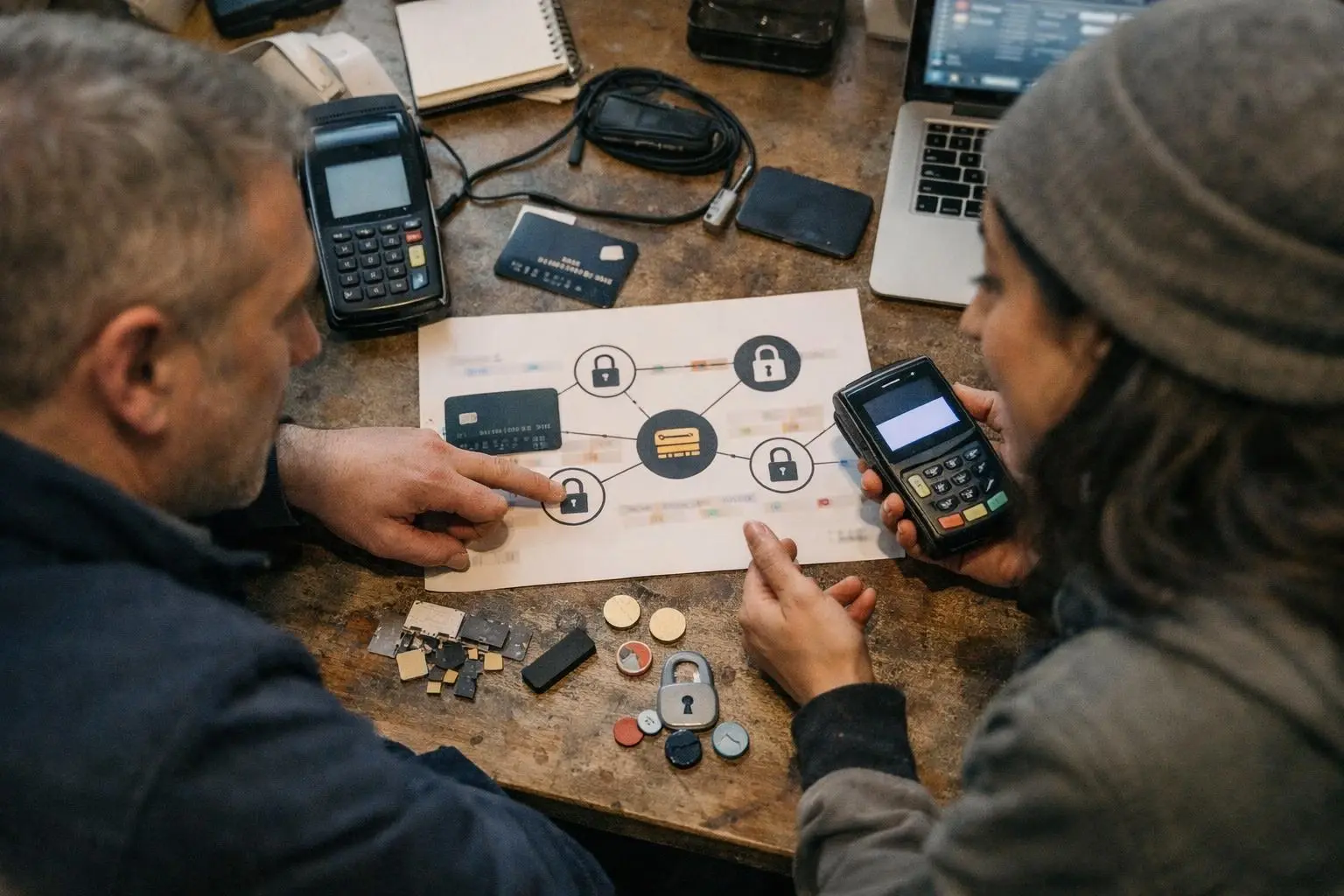
Tokenization in Credit Card Processing: Tokenization is a data security process that replaces sensitive payment card infor...

Tokenization is a security method designed to protect sensitive data, particularly payment card information, by substituting it with a unique identifier known as a token. Unlike encryption, which scrambles data so it can be unscrambled later, tokenization generates a token that has no mathematical relationship to the original data. This means even if a token is intercepted, it can't be used to retrieve the original card number or personal details. The process is widely adopted in the financial services industry to cut down on the risk of data breaches during credit card transactions.

Related glossary terms: Payment Card Industry Data Security Standard, Fraud Prevention, EMV Chip.

For merchants and payment processors, tokenization simplifies compliance with the Payment Card Industry Data Security Standard (PCI DSS). By storing tokens instead of actual card numbers, businesses reduce their exposure to sensitive data, which lowers the scope and complexity of PCI compliance audits. That means particularly valuable for small and mid-sized businesses that may lack extensive cybersecurity resources but still handle a high volume of card payments.

How Tokenization Works?

When a customer makes a payment, their card details are sent to a secure tokenization system, often managed by a payment processor or gateway. This system generates a random token—typically a string of numbers or characters—and returns it to the merchant’s system. The merchant stores this token in their database instead of the actual card number. When a future transaction is initiated, such as a recurring payment or refund, the token is sent back to the tokenization system, which retrieves the original payment details securely behind the scenes.

The token itself is meaningless outside the specific payment environment in which it was created. For example, a token generated for a transaction at a Staten Island retail store cannot be used to make purchases at another merchant, even if stolen. This isolation ensures that tokenization doesn't create a single point of failure across multiple businesses. And tokenization can be combined with other security measures, such as EMV chips or point-to-point encryption, to create layered protection against fraud.

Why Tokenization Matters?
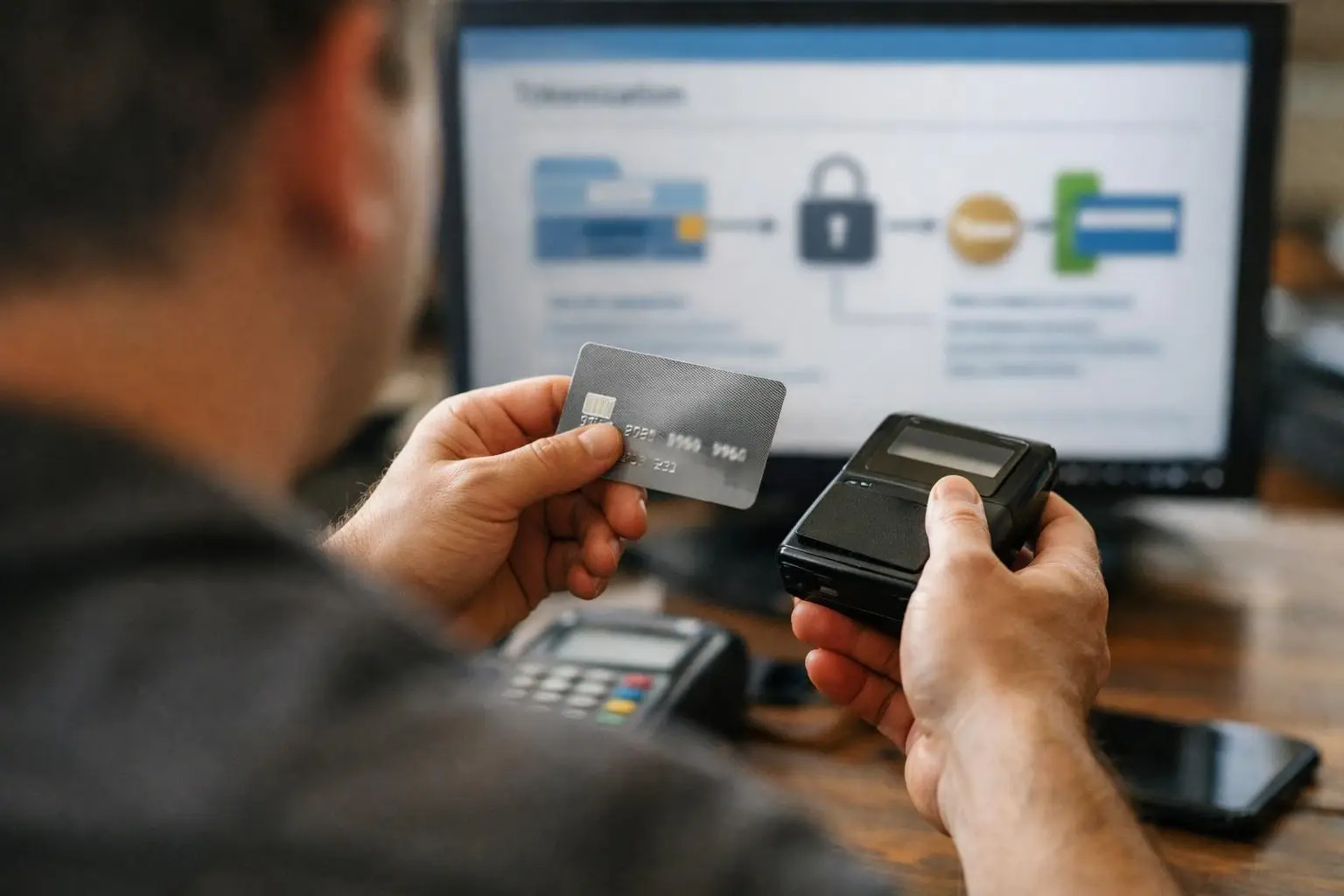
How Tokenization applies to Credit Card Processing services in Staten Island, United States—practical illustration

Tokenization plays a critical role in reducing the financial and reputational risks associated with data breaches. According to the Identity Theft Resource Center, payment card data is one of the most frequently targeted types of personal information in cyberattacks. When merchants store actual card numbers, they become attractive targets for hackers. Tokenization eliminates this vulnerability by ensuring that sensitive data never resides in the merchant’s systems in its original form. This not only protects customers but also shields businesses from costly breach notifications, fines. And legal liabilities.

Beyond security, tokenization enables smoother and more flexible payment experiences. For instance, businesses that offer subscription services or installment payments can securely store customer payment details without handling actual card numbers. So you can for smooth recurring billing while maintaining compliance with industry regulations. Tokenization also supports omnichannel commerce, where customers may start a transaction online and complete it in-store. Or vice versa, without exposing their card details across multiple touchpoints.

When Tokenization Matters Most?

Tokenization is especially important for businesses that handle a high volume of card-not-present transactions, such as e-commerce stores, subscription services. And mobile payment apps. In these scenarios, the risk of fraud is elevated because the physical card is not present to verify the transaction. Tokenization mitigates this risk by ensuring that sensitive data is never transmitted or stored in a usable form. It's also valuable for businesses with recurring revenue models, such as gyms, utility providers. Or SaaS companies, where customers’ payment details must be securely stored for future use.

For brick-and-mortar businesses in Staten Island and beyond, tokenization is increasingly relevant as contactless and mobile payments grow in popularity. Even in card-present environments, tokenization can be used to protect customer data in loyalty programs, gift card systems. Or stored-value accounts. And businesses that process international transactions or operate in high-risk industries, such as travel or luxury retail, benefit from the added layer of security that tokenization provides. Ultimately, any business that accepts credit or debit cards can reduce its risk exposure and compliance burden by implementing tokenization as part of its payment security strategy.


How to Evaluate Tokenization?

Related Concepts Compared

Tokenization vs. Encryption

Encryption scrambles data so it can be decrypted with a key. While tokenization replaces data with a non-decryptable token.

Tokenization vs. Point-to-Point Encryption (P2PE)

P2PE encrypts card data during transmission, whereas tokenization replaces the data entirely for storage and future use.

Expert Note

Tokenization is not a silver bullet—it must be part of a broader security strategy that includes fraud monitoring, employee training. And regular vulnerability assessments. The most effective implementations combine tokenization with encryption and EMV technology to create multiple layers of defense.

Common Mistakes or Myths About Tokenization

  • Assuming tokenization eliminates the need for PCI compliance—it reduces scope but doesn’t remove all requirements.
  • Believing tokens can be used across different merchants—tokens are merchant-specific and non-transferable.
  • Confusing tokenization with encryption, which is reversible and less secure for long-term storage.
  • Overlooking the need for secure token generation and storage—weak tokenization systems can still be vulnerable.

Tokenization in Practice: A Real-World Example

A Staten Island-based online boutique uses tokenization to securely process customer payments. When a shopper enters their card details at checkout, the information is replaced with a token before being stored in the boutique’s database. If the boutique’s systems are ever breached, hackers would only access tokens, not actual card numbers, protecting both the business and its customers.

Sources & Further Reading on Tokenization

Related Services

Related Terms

Payment Card Industry Data Security Standard

Payment Card Industry Data Security Standard is a global information security framework created by major card brands (Visa, Mastercard, American Express, Discover. And JCB) to protect cardholder data from theft and fraud. It establishes 12 technical and operational requirements that merchants, processors.

Fraud Prevention

Fraud Prevention is the systematic use of policies, procedures. And technologies designed to detect, deter. And mitigate unauthorized transactions, identity theft. And financial deception in payment processing. Fraud Prevention combines real-time monitoring, data analysis, authentication protocols. And compliance standards to protect merchants, cardholders.

EMV Chip

EMV Chip is a small microprocessor embedded in payment cards that generates unique transaction codes for each purchase, replacing static magnetic-stripe data. EMV stands for Europay, Mastercard. And Visa—the three companies that developed the global standard. This technology reduces fraud by making card duplication nearly impossible and is now the dominant form of card-present payment worldwide.

Card Not Present

Card Not Present refers to a credit or debit card transaction where the physical card is not swiped, dipped. Or tapped at a terminal. These transactions occur online, over the phone, via mail order. Or through recurring billing, requiring alternative methods like card numbers, CVV codes.

PCI Compliance

PCI Compliance is a set of security standards established by the Payment Card Industry Security Standards Council (PCI SSC) to protect cardholder data during credit and debit card transactions. PCI Compliance ensures businesses handling payment card information maintain a secure environment, reducing the risk of data breaches, fraud. And financial penalties. Compliance is mandatory for all merchants, processors. And service providers that store, process. Or transmit cardholder data.

CreditCardProcessingStatenIsland.com

Have Questions About Tokenization?

Contact CreditCardProcessingStatenIsland.com for practical guidance on Tokenization and related credit card processing work in Staten Island.

Contact Us