Glossary

What is Payment Processor?

Payment Processor is a financial technology company or service that facilitates electronic payment transactions between a merchant, the customer’s bank (issuing bank). And the merchant’s bank (acquiring bank). Payment Processors handle authorization, settlement. And funding of credit card, debit card. And other digital payments, ensuring secure and efficient transfer of funds while complying with industry standards like PCI DSS.

Sources reviewed: Payment Card Industry Security Standards Council (PCI SSC), Federal Trade Commission – Payment Processing

Quick Facts About Payment Processor

Category

Financial technology service

Used for

Credit, debit. And digital payment acceptance

Common confusion

Often mistaken for payment gateways, which only authorize transactions

Also called

Payment Processing Company, Credit Card Processor

Often discussed with

Credit Card Payment Processing, Merchant Account Services

Key Takeaways About Payment Processor

Understanding Payment Processor

Payment Processor in Credit Card Processing: Payment Processor is a financial technology company or service that facilitat...

Payment Processor refers to a specialized entity that manages the technical and financial aspects of electronic payment transactions. When a customer uses a credit card, debit card. Or digital wallet to pay for goods or services, the Payment Processor communicates with the card networks (Visa, Mastercard, etc.), the customer’s bank. And the merchant’s bank to verify funds, authorize the transaction. And transfer money. This process occurs in seconds but involves multiple steps, including fraud detection, compliance checks. And secure data transmission.

Related glossary terms: Acquirer, Payment Card Industry Data Security Standard, Interchange Fee.

Payment Processors are distinct from payment gateways. Though the terms are sometimes used interchangeably. A payment gateway is a tool that collects and encrypts payment information (like card details) and sends it to the Payment Processor for authorization. The Payment Processor. But is responsible for the entire lifecycle of the transaction, from authorization to settlement. Without a Payment Processor, merchants would be unable to accept card payments, as they lack direct access to the banking networks that help with these transactions.

How Payment Processor Works?

The workflow of a Payment Processor begins when a customer initiates a payment. For example, at a retail store, the customer swipes, dips. Or taps their card at a point-of-sale (POS) terminal. The POS terminal sends the payment details to the Payment Processor, which routes the information to the card network (e.g., Visa or Mastercard). The card network then forwards the request to the customer’s bank (the issuing bank) to verify available funds and approve or decline the transaction.

Once the issuing bank responds, the Payment Processor relays the decision back to the merchant’s POS terminal. If approved, the Payment Processor also ensures the funds are settled into the merchant’s account, typically within 1-2 business days. Throughout this process, the Payment Processor applies fraud detection tools, such as address verification systems (AVS) and card verification values (CVV), to reduce the risk of unauthorized transactions. And Payment Processors must comply with the Payment Card Industry Data Security Standard (PCI DSS) to protect sensitive cardholder data from breaches or misuse.

For online transactions, the process is similar but involves a payment gateway as an intermediary. The customer enters their card details on the merchant’s website, which are encrypted and sent to the payment gateway. The gateway then forwards the information to the Payment Processor, which handles the rest of the transaction workflow. This smooth integration allows businesses of all sizes—from small local shops to large e-commerce platforms—to accept payments securely and efficiently.

Why Payment Processor Matters?
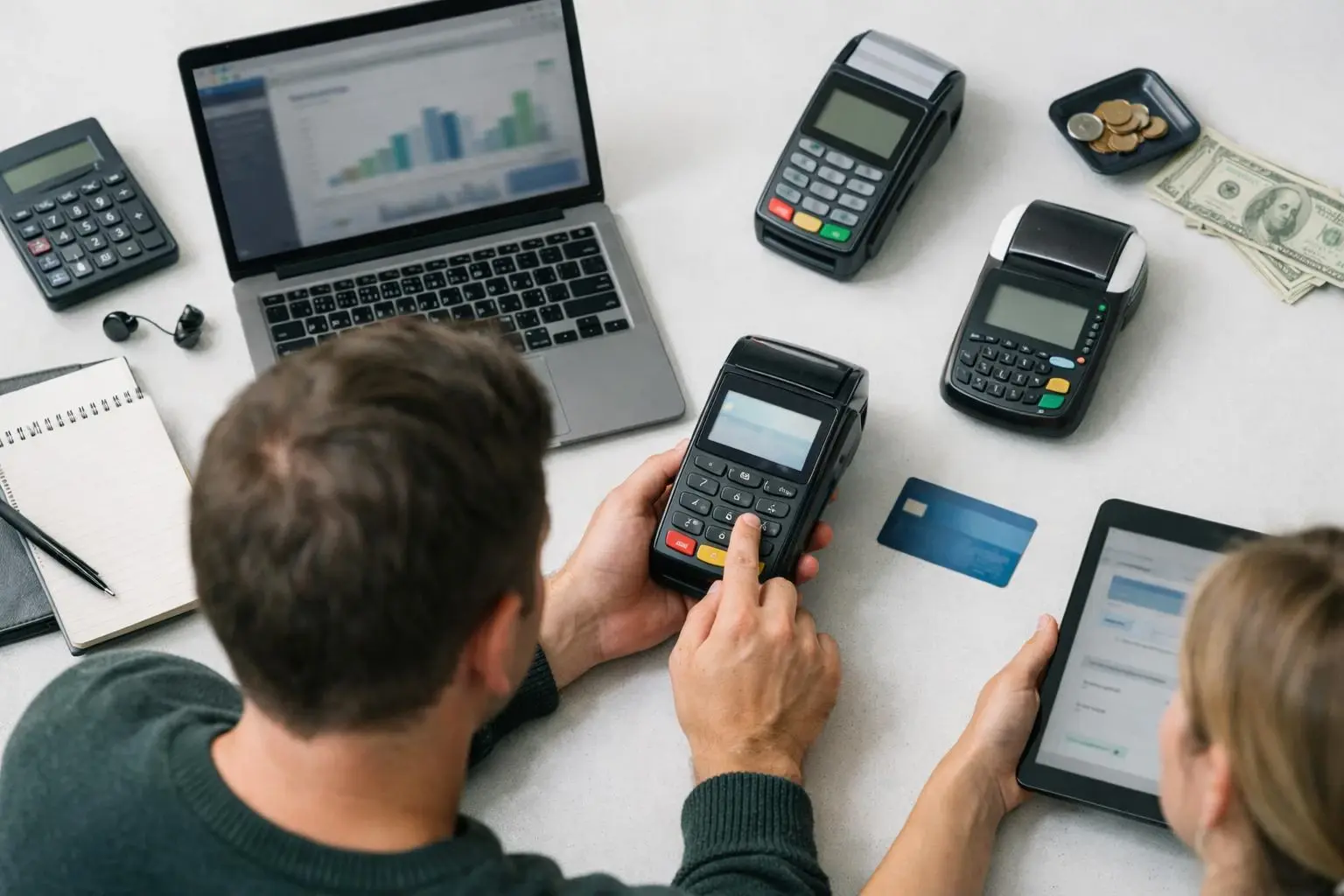
How Payment Processor applies to Credit Card Processing services in Staten Island, United States—practical illustration

Payment Processors play a critical role in the modern economy by enabling businesses to accept electronic payments, which are often preferred by customers over cash or checks. For merchants, the ability to process card payments can significantly increase sales, as many consumers no longer carry cash and rely on credit or debit cards for everyday purchases. Payment Processors also provide essential services like fraud prevention, chargeback management. And reporting, which help businesses mitigate risks and simplify operations.

From a customer perspective, Payment Processors ensure that transactions are secure, fast. And reliable. When a customer swipes their card, they expect the payment to be processed without errors or delays. Payment Processors use advanced encryption and tokenization technologies to protect sensitive data, reducing the likelihood of fraud or data breaches. And Payment Processors often support multiple payment methods, including contactless payments (NFC), mobile wallets (Apple Pay, Google Pay). And recurring billing, which enhances the customer experience and broadens a merchant’s reach.

When Payment Processor Matters Most?

Payment Processors become especially important in situations where speed, security. And reliability are critical. For example, high-volume businesses, such as retail chains or e-commerce platforms, depend on Payment Processors to handle thousands of transactions per day without delays or errors. A slow or unreliable processor can lead to declined transactions, frustrated customers. And lost sales. Similarly, businesses that operate in high-risk industries, such as travel, subscription services. Or online gaming, require Payment Processors with strong fraud detection and chargeback management tools to cut down on financial losses.

Payment Processors also matter when businesses expand into new markets or sales channels. For instance, a brick-and-mortar store that launches an online store will need a Payment Processor capable of handling both in-person and e-commerce transactions. And businesses that accept international payments must work with Payment Processors that support multi-currency transactions and comply with global regulations. Finally, compliance is a key consideration—businesses must ensure their Payment Processor adheres to PCI DSS and other industry standards to avoid fines, legal issues. Or reputational damage.

How to Evaluate Payment Processor?

Related Concepts Compared

Payment Processor vs. Payment Gateway

A payment gateway collects and encrypts payment information but does not handle settlement or funding. Payment Processors manage the entire transaction lifecycle, including authorization and fund transfer.

Payment Processor vs. Acquirer

An acquirer is the merchant’s bank that accepts payments on behalf of the business. Payment Processors often work with acquirers but are not banks themselves—they facilitate the transaction process.

Payment Processor vs. Merchant Account

A merchant account is a type of bank account that allows businesses to accept card payments. Payment Processors often require merchants to have a merchant account but do not provide it themselves.

Expert Note

Payment Processors vary widely in their fee structures, contract terms. And supported payment methods. Always review the fine print, especially for early termination fees, monthly minimums. And chargeback policies, as these can significantly impact your bottom line.

Common Mistakes or Myths About Payment Processor

  • Assuming all Payment Processors offer the same fees or contract terms—pricing and policies vary widely.
  • Confusing Payment Processors with payment gateways, which only handle authorization, not settlement.
  • Overlooking PCI compliance requirements, which can lead to fines or account termination.
  • Ignoring chargeback policies, which can result in unexpected fees or account holds.
  • Choosing a processor based solely on low fees without considering reliability or customer support.

Payment Processor in Practice: A Real-World Example

A Staten Island-based coffee shop uses a Payment Processor to accept credit card payments from customers. When a customer pays with a Visa card, the Payment Processor verifies the funds with the customer’s bank, approves the transaction. And deposits the money into the coffee shop’s merchant account within two business days, minus a small transaction fee.

Sources & Further Reading on Payment Processor

Related Services

Related Terms

Acquirer

Acquirer is a financial institution or entity that processes credit and debit card transactions on behalf of merchants. Acquirers maintain merchant accounts, facilitate payment authorization. And ensure funds are transferred from the cardholder’s issuing bank to the merchant’s account after settlement.

Payment Card Industry Data Security Standard

Payment Card Industry Data Security Standard is a global information security framework created by major card brands (Visa, Mastercard, American Express, Discover. And JCB) to protect cardholder data from theft and fraud. It establishes 12 technical and operational requirements that merchants, processors.

Interchange Fee

Interchange Fee is a non-negotiable fee set by card networks like Visa, Mastercard. And Discover that merchants pay to the card-issuing bank for each credit or debit card transaction. This fee compensates the issuing bank for handling risk, fraud prevention. And the cost of funding the transaction until settlement occurs.

Chargeback

Chargeback is chargebacks are forced refunds initiated by a cardholder’s bank when the cardholder disputes a transaction, claiming it was unauthorized, fraudulent. Or not as described. Chargebacks reverse the payment, returning funds to the cardholder while debiting the merchant’s account, often accompanied by fees and potential penalties for the merchant.

Tokenization

Tokenization is a data security process that replaces sensitive payment card information, such as a 16-digit card number, with a unique, non-sensitive identifier called a token. This token can't be reverse-engineered to reveal the original data, reducing the risk of fraud during credit card transactions while maintaining the ability to process payments securely.

CreditCardProcessingStatenIsland.com

Have Questions About Payment Processor?

Contact CreditCardProcessingStatenIsland.com for practical guidance on Payment Processor and related credit card processing work in Staten Island.

Contact Us