Understanding EMV Chip
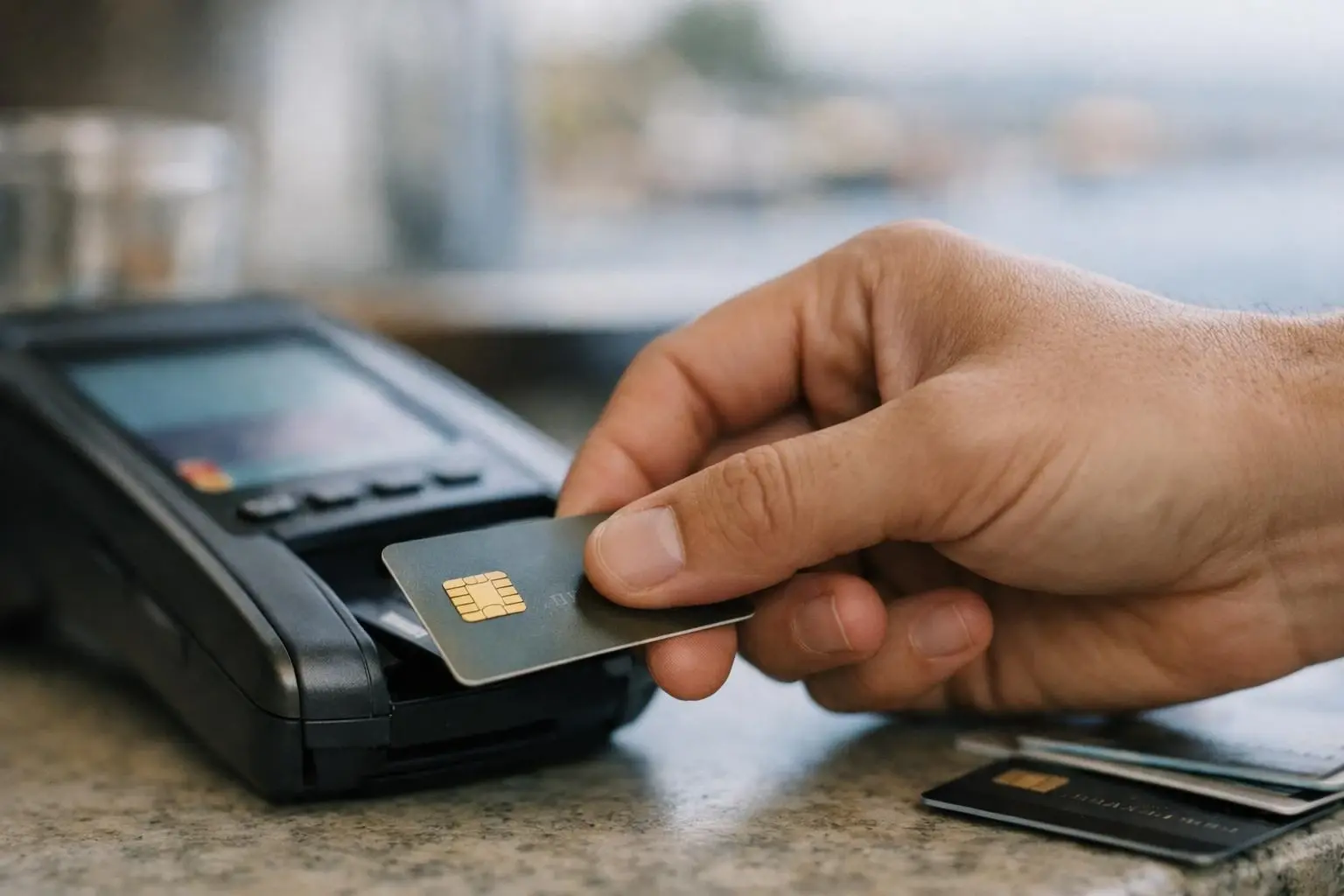
EMV Chip technology represents a fundamental shift in how payment cards process transactions. Unlike traditional magnetic stripes that store static data, EMV Chips contain secure microprocessors that generate unique cryptograms for each transaction. This dynamic authentication makes it extremely difficult for criminals to create counterfeit cards, even if they intercept transaction data. The technology was developed jointly by Europay, Mastercard. And Visa in the 1990s, with widespread adoption beginning in Europe before expanding globally.
Related glossary terms: Fraud Prevention, Near Field Communication, Payment Card Industry Data Security Standard.
The EMV standard has become the foundation for secure card-present transactions worldwide. In the United States, the transition to EMV gained momentum after the 2015 liability shift, which made merchants responsible for fraudulent charges if they hadn't upgraded to EMV-enabled terminals. This change dramatically accelerated adoption, with over 90% of U.S. Card-present transactions now processed using EMV technology as of recent industry reports. The standard continues to evolve, incorporating new features like contactless payments while maintaining backward compatibility with traditional chip insertion methods.
How EMV Chip Works?
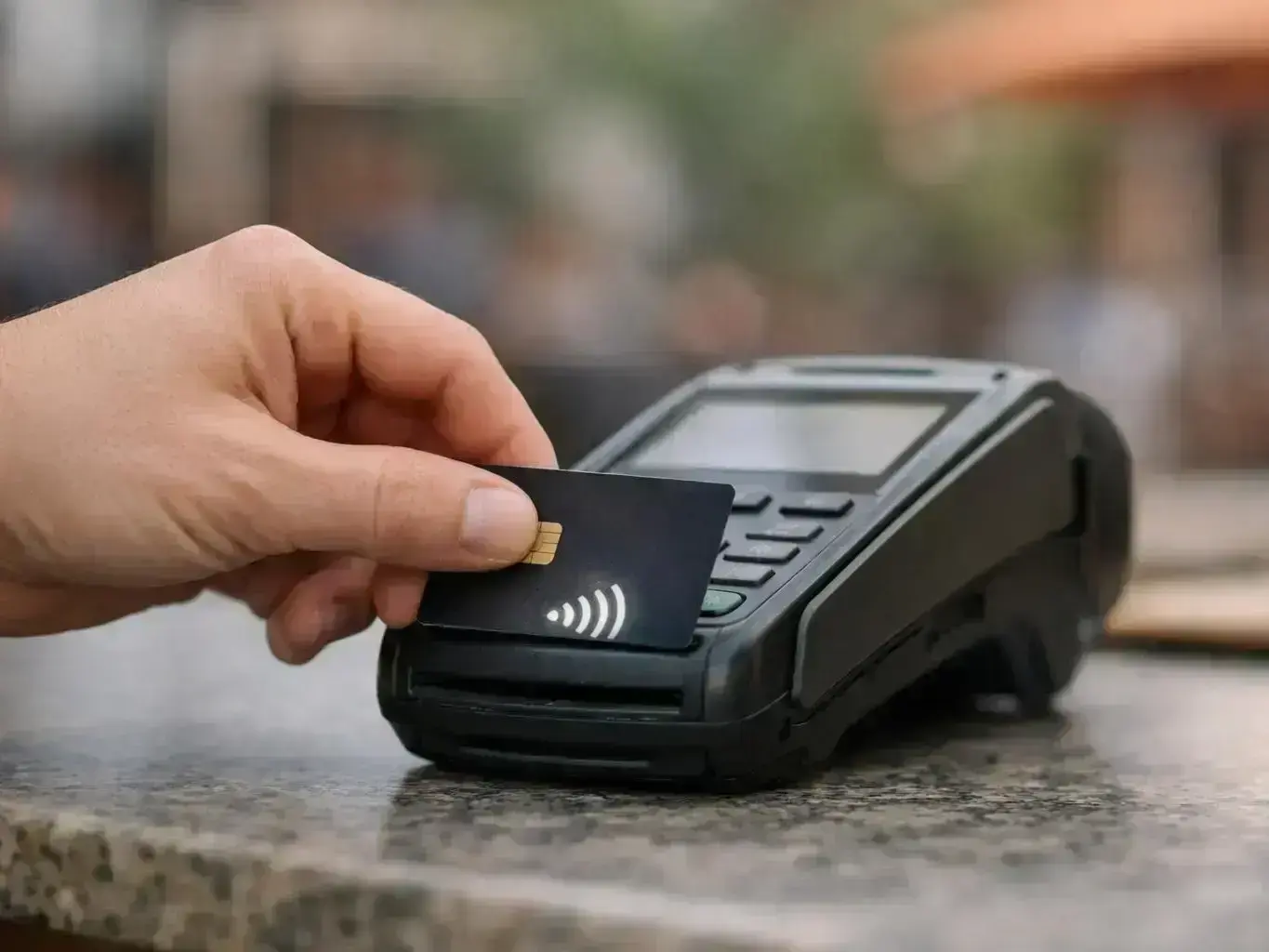
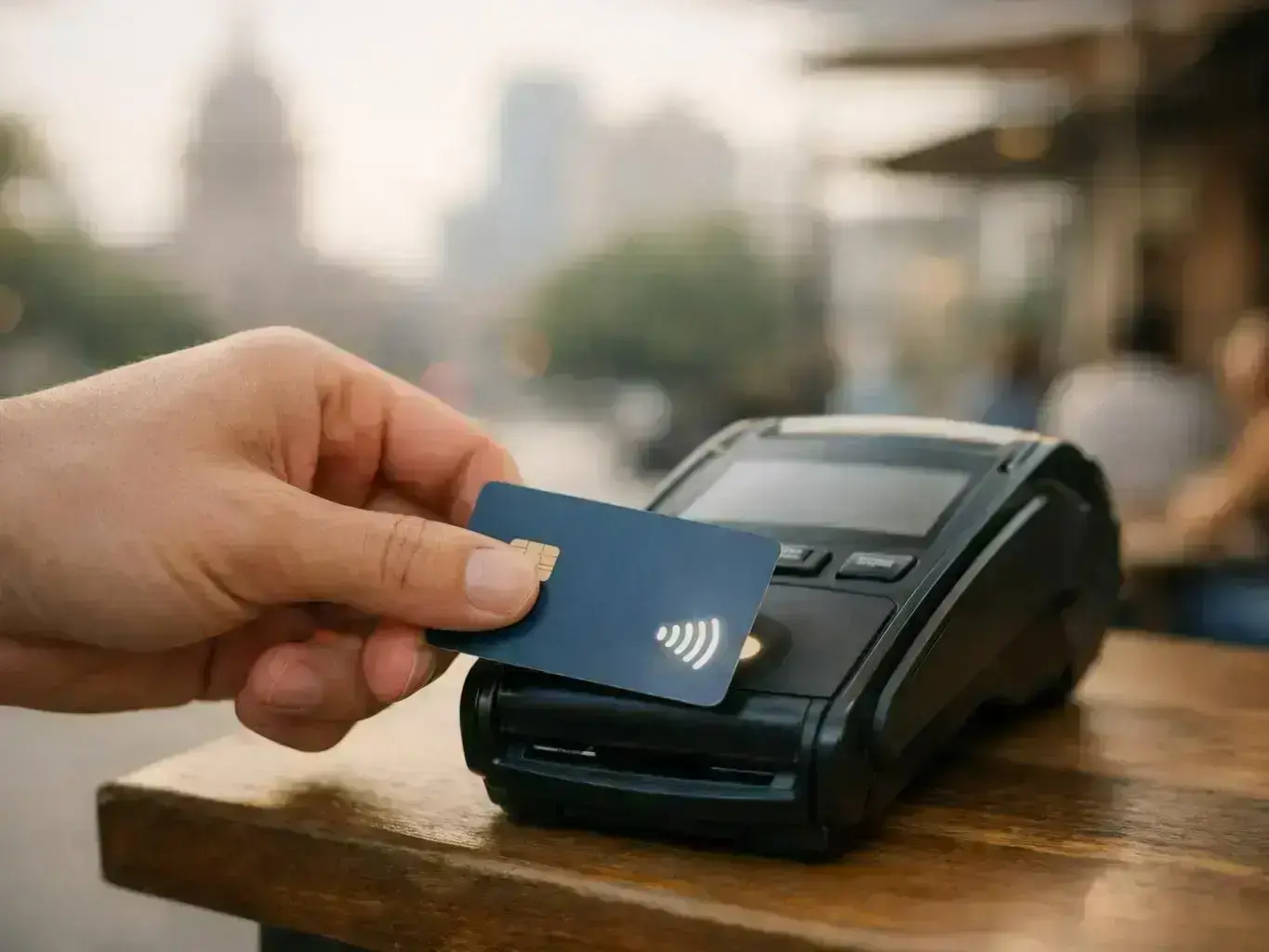
EMV Chip transactions follow a sophisticated authentication process that begins when a card is inserted into or tapped near an EMV-enabled terminal. The chip and terminal engage in a secure dialogue, exchanging information about the transaction amount, merchant. And terminal capabilities. During this exchange, the chip generates a unique cryptogram—a one-time code that validates the transaction's authenticity. This cryptogram can't be reused, making intercepted transaction data useless for future fraud attempts.
A common issue is The verification process varies depending on the card issuer's requirements. Chip-and-PIN transactions require customers to enter a personal identification number, which the chip verifies locally before approving the transaction. Chip-and-signature transactions, more common in the United States, rely on the customer's signature for verification. Some advanced implementations use dynamic CVV codes that change with each transaction, adding another layer of security. The entire authentication process typically completes within seconds, maintaining the speed and convenience consumers expect from card payments.
EMV Chips also support offline transaction processing, which is particularly valuable in areas with unreliable network connectivity. In these cases, the chip stores transaction data securely until it can be transmitted to the payment network for final authorization. This capability ensures that EMV technology remains practical for merchants in diverse environments, from urban retail stores to rural markets and mobile vendors. The chips themselves contain sophisticated security features, including tamper-resistant hardware and encrypted data storage, making them highly resistant to physical attacks.
Why EMV Chip Matters?

EMV Chip technology has dramatically reduced counterfeit card fraud in markets where it has been adopted. According to industry reports, countries that implemented EMV early saw fraud rates drop by as much as 80% in card-present transactions. This reduction in fraud translates to significant cost savings for merchants, financial institutions. And consumers alike. For merchants, the liability shift means that accepting EMV transactions can protect them from financial losses due to fraudulent charges, making EMV compliance a critical risk management strategy.
Beyond fraud prevention, EMV Chips enable more secure and flexible payment experiences. The technology supports various verification methods, allowing issuers to choose the most appropriate security level for different transaction types. It also provides a foundation for emerging payment technologies, including contactless payments and mobile wallet integrations. As payment security threats continue to evolve, EMV's ability to generate dynamic transaction codes ensures that it remains an effective defense against both current and future fraud techniques.
When EMV Chip Matters Most?
EMV Chip technology becomes particularly important in several key scenarios. For merchants, upgrading to EMV-enabled terminals is essential to avoid liability for fraudulent transactions—a responsibility that falls on businesses that haven't adopted the technology. That means especially critical for high-risk merchants, such as those selling high-value goods or operating in industries with historically high fraud rates. The technology also matters significantly during peak shopping periods, when fraud attempts tend to increase. And during transactions involving large amounts, where the potential losses from fraud are greatest.
For consumers, EMV Chips provide the most protection during in-person transactions, particularly when traveling internationally. Many countries now require EMV Chip transactions. And cards without chips may be rejected or subject to additional verification steps. The technology also becomes important when making purchases in environments where card skimming is a known risk, such as gas stations, ATMs. And outdoor payment terminals. And EMV Chips play a crucial role in enabling secure contactless payments, which have become increasingly popular for their convenience and speed, especially in quick-service environments like coffee shops and transit systems.
Businesses in Staten Island, NY, should be particularly aware of EMV requirements when serving international tourists or processing cross-border transactions. The area's proximity to major airports and tourist attractions means that local merchants frequently encounter customers using foreign-issued cards, which are almost universally EMV-enabled. Upgrading to EMV-compliant terminals ensures smooth transactions for these customers while protecting the business from potential fraud liability.