Understanding Point of Sale
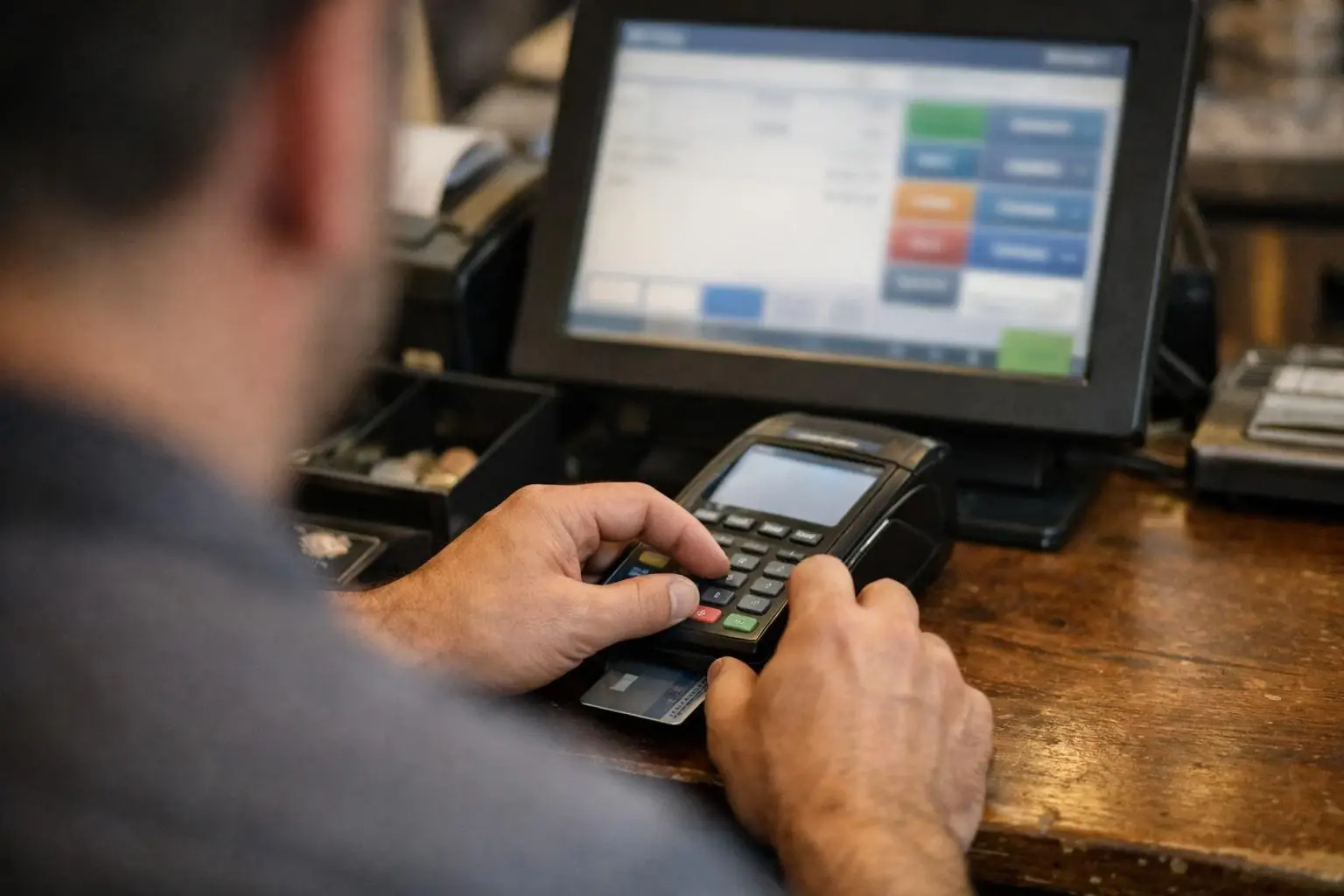
Point of Sale (POS) refers to the environment where a transaction occurs between a merchant and a customer. While traditionally associated with physical cash registers in brick-and-mortar stores, modern POS systems have evolved to include digital platforms, mobile apps. And cloud-based solutions. These systems not only process payments but also manage sales data, track inventory. And generate receipts. The shift from manual cash registers to electronic POS systems has enabled businesses to operate more efficiently, reduce errors. And gain insights into customer behavior.
Related glossary terms: Payment Processor, EMV Chip, Near Field Communication.
POS systems are designed to handle various payment methods, including credit cards, debit cards, mobile wallets. And contactless payments. The hardware components of a POS system typically include a terminal, card reader, receipt printer. And sometimes a barcode scanner. Software components may include inventory management, customer relationship management (CRM). And reporting tools. Together, these elements create a smooth checkout experience for both customers and merchants.
How Point of Sale Works?
When a customer initiates a purchase, the POS system begins processing the transaction by reading the payment method—whether it’s a credit card, debit card. Or mobile wallet. The card reader captures the payment details and sends them securely to the payment processor, which communicates with the customer’s bank to verify funds. If the transaction is approved, the POS system finalizes the sale, updates inventory levels. And generates a receipt for the customer. This entire process typically takes just a few seconds, depending on the payment method and network speed.
In addition to processing payments, POS systems often integrate with other business tools. For example, they can sync with accounting software to track revenue, update inventory systems to prevent stockouts. Or store customer data for loyalty programs. Some advanced POS systems also support multi-channel sales, allowing businesses to process transactions online, in-store. Or via mobile devices. This flexibility is particularly valuable for businesses with both physical and digital storefronts, as it ensures consistency across all sales channels.
- Payment processing: Captures and verifies payment details.
- Inventory management: Updates stock levels in real time.
- Data reporting: Generates sales reports and insights.
- Customer management: Stores purchase history and loyalty information.
Why Point of Sale Matters?
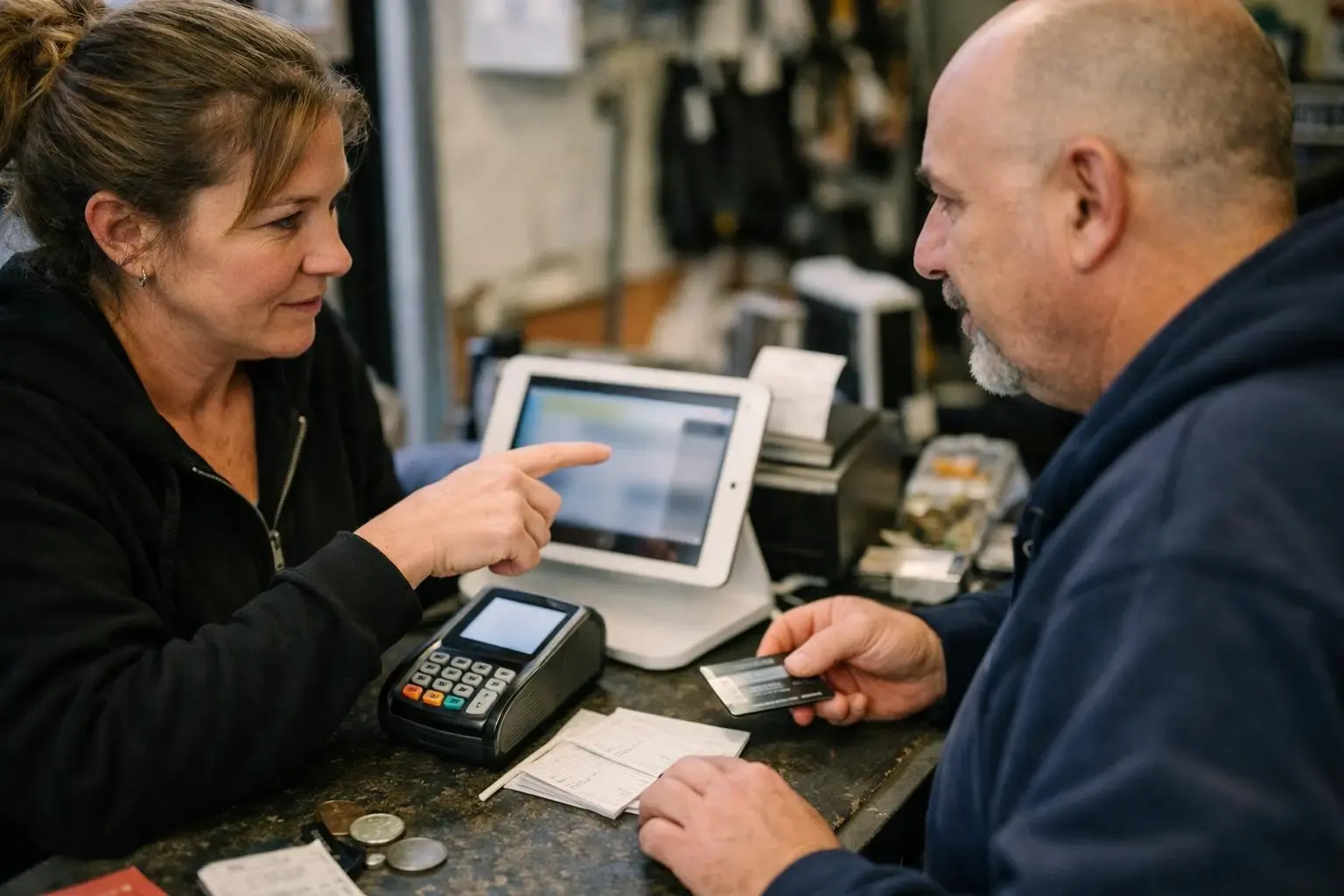
POS systems play a critical role in the operational efficiency of businesses. By automating payment processing, they reduce the risk of human error, such as incorrect change or misrecorded sales. This accuracy is essential for maintaining financial records and ensuring compliance with tax regulations. And POS systems provide businesses with valuable data, such as sales trends, peak shopping hours. And popular products, which can inform decision-making and marketing strategies.
Security is another key reason POS systems matter. Payment card industry (PCI) standards require businesses to protect customer data during transactions. Modern POS systems use encryption and tokenization to secure sensitive information, reducing the risk of fraud and data breaches. For businesses, this means fewer chargebacks, lower liability. And increased customer trust. Without a reliable POS system, businesses may struggle to compete in an increasingly digital marketplace.
When Point of Sale Matters Most?
POS systems are particularly important during high-volume sales periods, such as holidays or promotional events, when businesses need to process transactions quickly and accurately. A slow or malfunctioning POS system can lead to long lines, frustrated customers. And lost sales. For businesses that rely on inventory management, such as retail stores or restaurants, a POS system ensures that stock levels are updated in real time, preventing overselling or stockouts.
POS systems also matter when businesses expand their operations. For example, a restaurant opening a second location may need a POS system that syncs data across both sites, allowing for centralized management of menus, pricing. And staff schedules. Similarly, e-commerce businesses may require a POS system that integrates with their online store to provide a unified shopping experience. In these scenarios, the right POS system can simplify operations and support growth.
- High-volume sales periods, such as holidays or promotions.
- Businesses with inventory management needs.
- Multi-location or multi-channel sales operations.
- Compliance with payment security standards.