Understanding Card Present
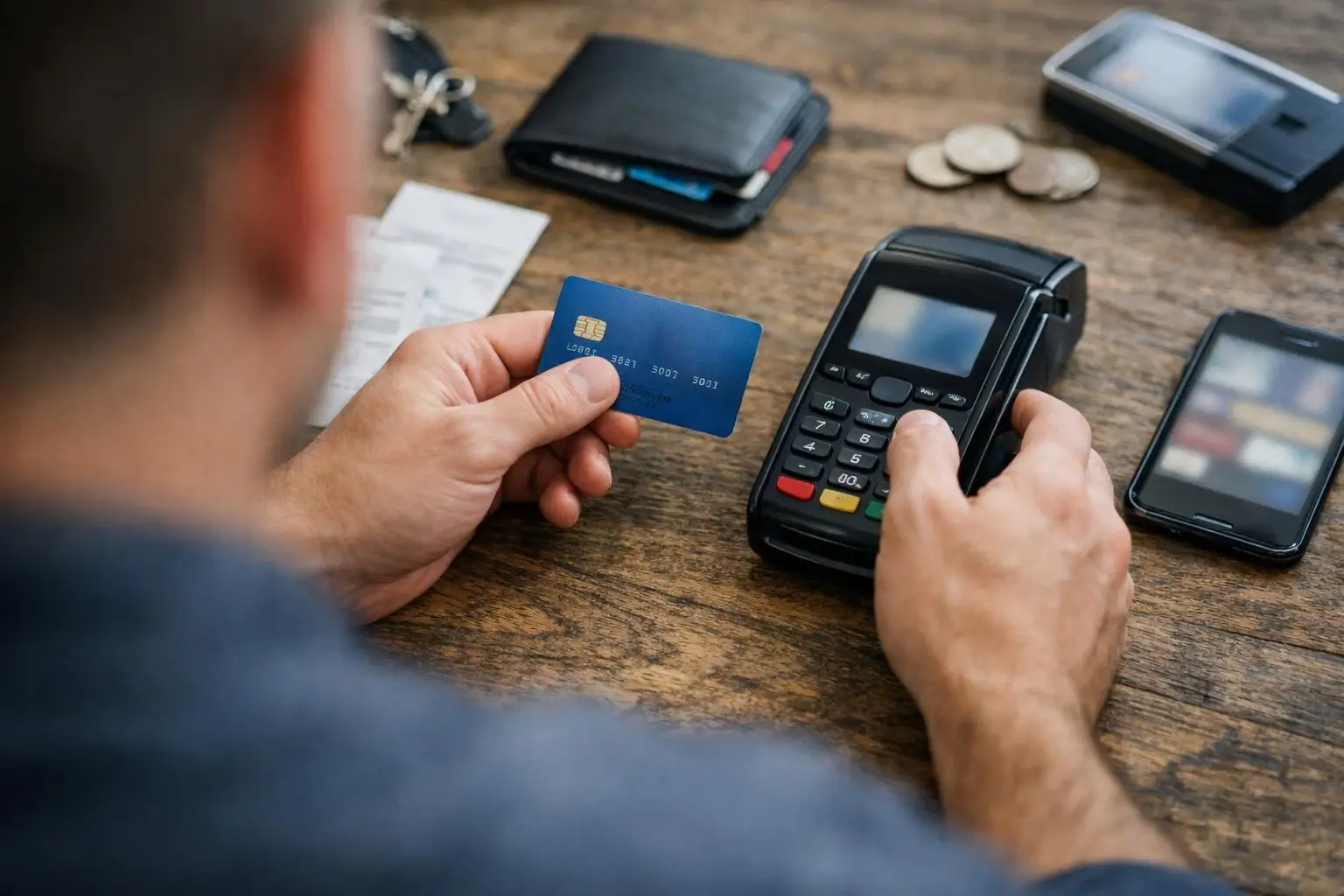
Card Present transactions are a fundamental part of credit and debit card processing, occurring when a customer physically presents their card to a merchant at the point of sale. Unlike online or phone transactions, where the card is not physically present, these transactions rely on direct interaction with the card’s magnetic stripe, EMV chip. Or contactless NFC technology. This direct interaction allows the payment terminal to read and transmit the card’s data securely, reducing the likelihood of fraudulent activity.
Related glossary terms: EMV Chip, Card Not Present, Point of Sale.
The term "Card Present" is used to distinguish these transactions from "Card Not Present" (CNP) transactions, which include online purchases, mail orders. And telephone orders. Because the card is physically present, merchants can verify the cardholder’s identity through signatures, PINs. Or biometric authentication, adding an extra layer of security. This verification process is a key reason why Card Present transactions are generally considered lower risk and often come with lower processing fees.
How Card Present Transactions Work?
Card Present transactions follow a standardized workflow to ensure secure and efficient processing. When a customer presents their card, the merchant’s payment terminal reads the card’s data using one of three methods: swiping the magnetic stripe, inserting the card into an EMV chip reader. Or tapping the card on a contactless NFC-enabled terminal. The terminal then sends this data to the merchant’s payment processor, which routes it through the card network (such as Visa, Mastercard. Or American Express) to the cardholder’s issuing bank for authorization.
Once the issuing bank receives the authorization request, it checks the cardholder’s account for sufficient funds or credit limit and verifies the transaction’s legitimacy. If approved, the bank sends an authorization code back to the payment terminal, confirming the transaction. The merchant then completes the sale. And the transaction is added to a batch for settlement, typically at the end of the business day. Settlement involves the transfer of funds from the cardholder’s account to the merchant’s account, minus any applicable fees.
Modern Card Present transactions often use EMV chip technology or contactless payments, which provide enhanced security compared to magnetic stripe swipes. EMV chips generate a unique code for each transaction, making it difficult for fraudsters to replicate card data. Contactless payments, using Near Field Communication (NFC), allow customers to tap their cards or mobile wallets (like Apple Pay or Google Pay) on a terminal, enabling quick and secure transactions without physical contact.
Why Card Present Matters?
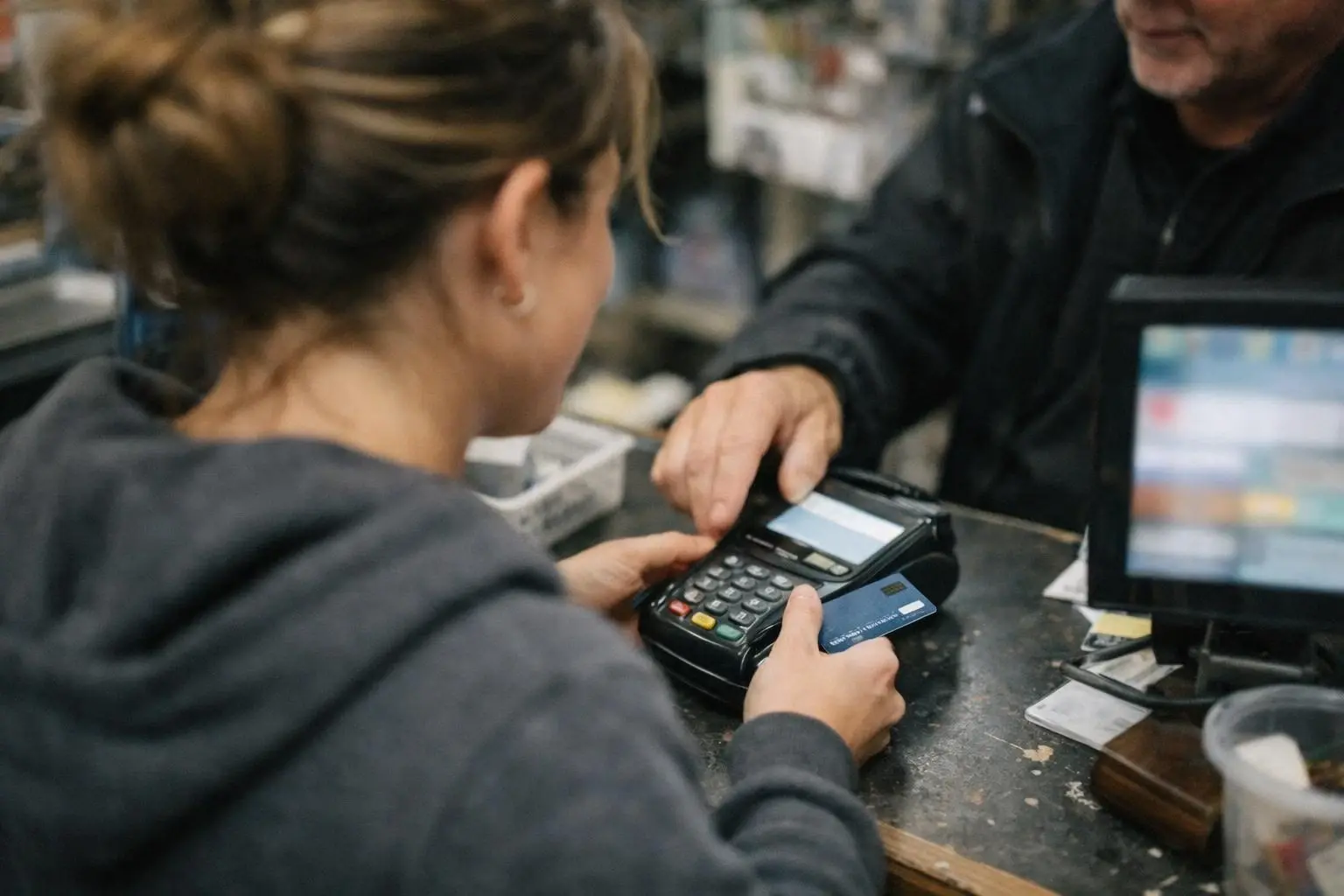
Card Present transactions are a critical component of the payment ecosystem because they offer lower fraud risk and reduced processing costs for merchants. The physical presence of the card allows for real-time verification of the cardholder’s identity, whether through a signature, PIN. Or biometric authentication. This verification process significantly reduces the likelihood of fraudulent transactions, which is a major concern for both merchants and card issuers. So Card Present transactions typically incur lower interchange fees—the fees paid by merchants to card networks and issuing banks—compared to Card Not Present transactions.
For merchants, accepting Card Present transactions can also improve customer satisfaction by providing a smooth and secure payment experience. Customers appreciate the convenience of swiping, dipping. Or tapping their cards, especially in fast-paced environments like retail stores, restaurants. Or service businesses. And the adoption of EMV chip and contactless payment technologies has further enhanced security, reducing the risk of data breaches and chargebacks. Chargebacks, which occur when a customer disputes a transaction, are less common in Card Present transactions due to the added layers of verification.
When Card Present Matters Most?
Card Present transactions are particularly important for businesses that operate primarily in-person, such as brick-and-mortar retail stores, restaurants, salons. And service providers. These businesses rely on the speed, security. And cost efficiency of Card Present transactions to process payments quickly and cut down on fraud risk. For example, a retail store in Staten Island, NY, may process hundreds of Card Present transactions daily, benefiting from the lower interchange fees and reduced fraud exposure associated with these transactions.
Card Present transactions also play a crucial role in industries where cash flow is critical, such as hospitality and food service. Restaurants, cafes. And bars often use payment terminals that support both EMV chip and contactless payments to accommodate customer preferences and reduce wait times. And businesses that operate at events, pop-up shops. Or mobile locations—such as food trucks or market vendors - rely on portable payment terminals to accept Card Present transactions securely and efficiently.
Another scenario where Card Present transactions matter is during high-risk periods, such as holiday shopping seasons or major sales events. During these times, the volume of in-person transactions increases significantly. And merchants must ensure their payment systems can handle the demand while maintaining security. The ability to process Card Present transactions quickly and securely can help businesses avoid lost sales, reduce fraud-related losses. And improve overall customer satisfaction.