Glossary

What is Acquirer?

Acquirer is a financial institution or entity that processes credit and debit card transactions on behalf of merchants. Acquirers maintain merchant accounts, facilitate payment authorization. And ensure funds are transferred from the cardholder’s issuing bank to the merchant’s account after settlement.

Sources reviewed: Visa Merchant Rules, Mastercard Rules

Quick Facts About Acquirer

Category

Financial institution

Used for

Processing card payments for merchants

Common confusion

Often mistaken for payment processors or issuing banks

Also called

Acquiring Bank, Merchant Acquirer

Often discussed with

Merchant Account Services, Credit Card Payment Processing

Key Takeaways About Acquirer

Understanding Acquirer
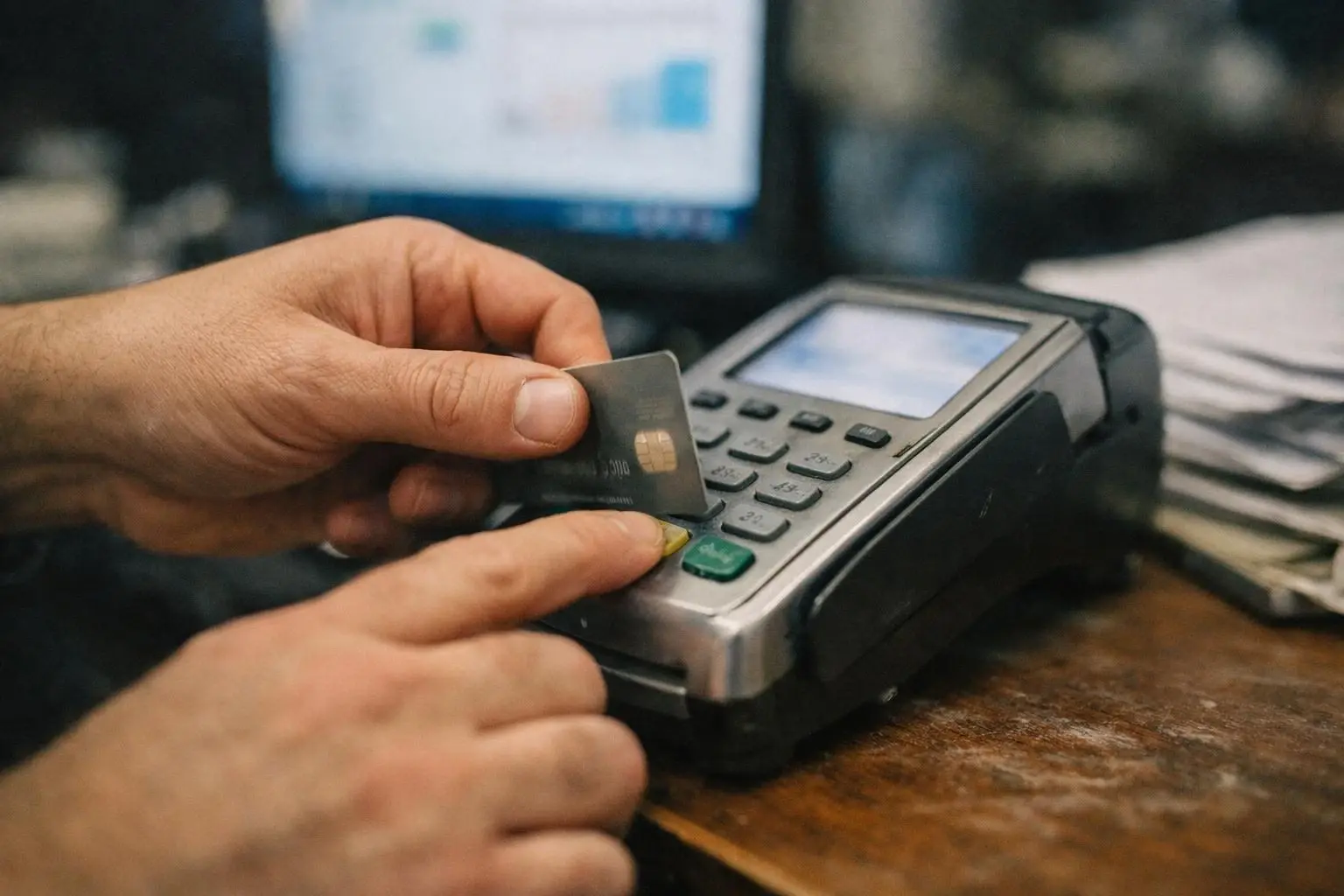
Acquirer in Credit Card Processing: Acquirer is a financial institution or entity that processes credit and debit—visual g...

An acquirer, also known as a merchant acquirer or acquiring bank, is a financial institution that partners with merchants to process credit and debit card transactions. Unlike issuing banks, which provide cards to consumers, acquirers focus on the merchant side of the payment ecosystem. They establish merchant accounts, which allow businesses to accept card payments. And handle the technical and financial steps required to complete transactions.

Related glossary terms: Payment Processor, Issuing Bank, Settlement.

Acquirers play a critical role in the payment cycle by connecting merchants to card networks like Visa, Mastercard, American Express. And find. Without an acquirer, merchants can't accept card payments, as they lack the direct relationship with these networks. Acquirers also manage the settlement process, ensuring funds from cardholder purchases are deposited into the merchant’s bank account, minus applicable fees.

How Acquirer Works?

The acquirer’s role begins when a customer swipes, dips. Or enters their card details to make a purchase. The merchant’s point-of-sale system or payment gateway sends the transaction details to the acquirer, who then routes the request to the appropriate card network. The card network forwards the request to the cardholder’s issuing bank for authorization. If the issuing bank approves the transaction, the acquirer receives the approval and notifies the merchant, allowing the sale to proceed.

After authorization, the acquirer collects all approved transactions from the merchant in a process called batching. At the end of each business day, the acquirer submits these batches to the card networks for settlement. The card networks help with the transfer of funds from the issuing banks to the acquirer, who then deposits the net amount—minus interchange fees, assessment fees. And acquirer fees—into the merchant’s account. This entire process typically takes 24 to 48 hours. Though timelines can vary based on the acquirer and card network.

Acquirers also handle chargebacks, retrieval requests. And fraud disputes. When a cardholder disputes a transaction, the issuing bank initiates a chargeback. And the acquirer debits the disputed amount from the merchant’s account. The acquirer then works with the merchant to gather evidence to challenge the chargeback or accepts the loss if the dispute is valid. This risk-sharing model is a key reason acquirers charge fees for their services.

Why Acquirer Matters?
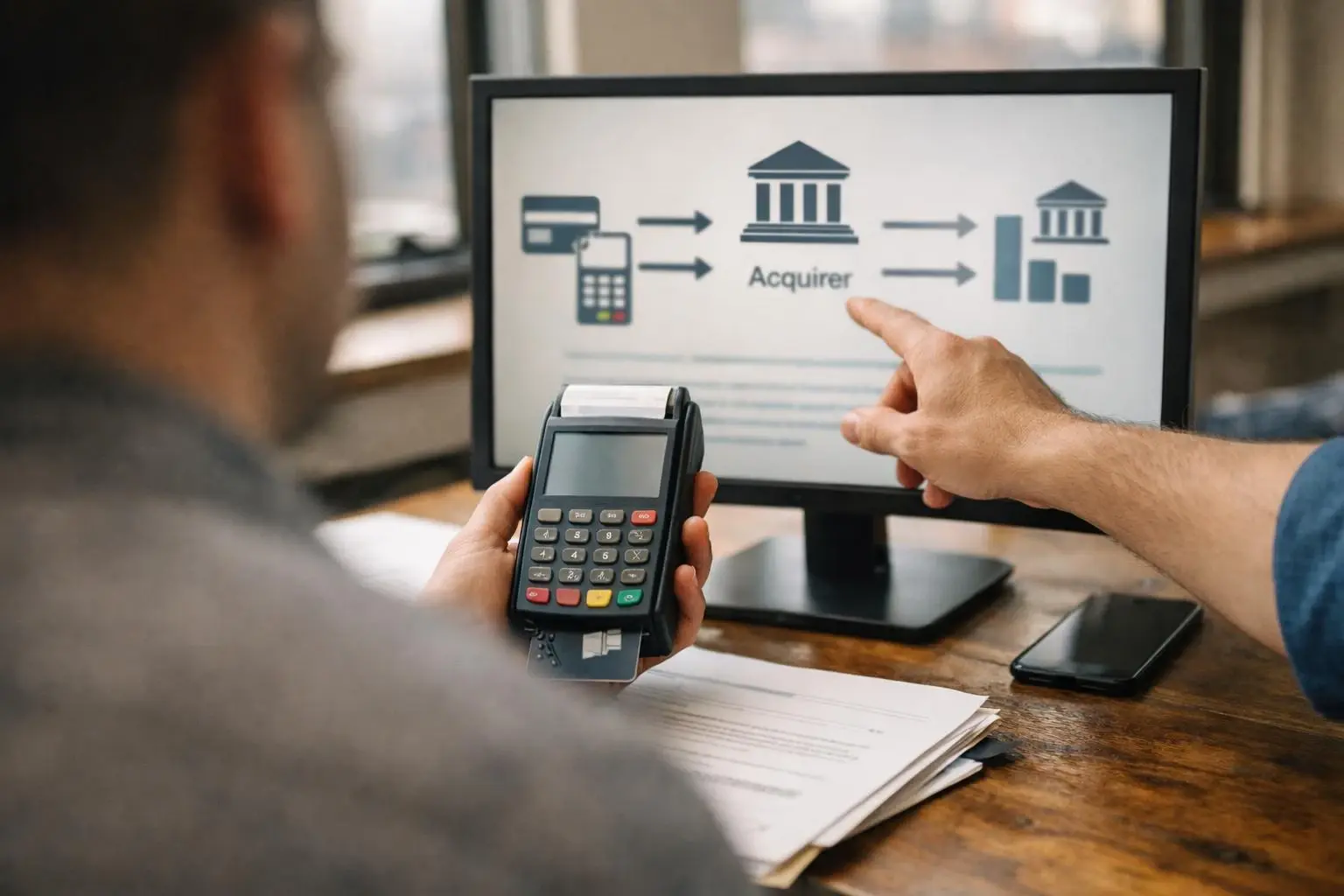
How Acquirer applies to Credit Card Processing services in Staten Island, United States—practical illustration

For merchants, choosing the right acquirer directly impacts transaction costs, funding speed. And risk exposure. Acquirers charge fees for their services, including transaction fees, monthly fees. And chargeback fees. These costs can vary significantly between acquirers, making it essential for merchants to compare pricing structures. And some acquirers specialize in specific industries, such as retail, e-commerce. Or high-risk businesses. And offer custom solutions to meet unique needs.

Acquirers also influence the security and compliance of payment processing. They ensure merchants adhere to Payment Card Industry Data Security Standard (PCI DSS) requirements, reducing the risk of data breaches and fraud. By providing tools like tokenization, encryption. And fraud detection, acquirers help merchants protect sensitive cardholder data and cut down on financial losses from fraudulent transactions.

When Acquirer Matters Most?

Acquirers become particularly important during key business decisions, such as selecting a payment processor, expanding into new sales channels. Or addressing chargeback issues. For example, an e-commerce business launching an online store must ensure its acquirer supports card-not-present transactions and offers fraud prevention tools. Similarly, a brick-and-mortar retailer upgrading to EMV chip-enabled terminals needs an acquirer that supports the latest payment technologies to avoid liability for fraudulent transactions.

High-risk merchants, such as those in the travel, subscription. Or adult entertainment industries, require acquirers with experience managing elevated chargeback rates and regulatory scrutiny. These merchants often face higher fees and stricter underwriting requirements, making the choice of acquirer a critical factor in their ability to accept card payments. And businesses expanding internationally need acquirers with global reach and multi-currency support to process cross-border transactions efficiently.


How to Evaluate Acquirer?

Related Concepts Compared

Acquirer vs. Payment Processor

A payment processor handles the technical routing of transactions between merchants, acquirers. And card networks. While an acquirer manages the financial settlement and merchant relationship.

Acquirer vs. Issuing Bank

An issuing bank provides credit or debit cards to consumers and authorizes transactions, whereas an acquirer processes transactions for merchants and facilitates funding.

Acquirer vs. ISO (Independent Sales Organization)

An ISO sells merchant services on behalf of acquirers but does not directly process transactions or hold merchant accounts, unlike an acquirer.

Expert Note

Acquirers often bundle their services with payment processors, making it easy to confuse the two. Always verify whether your contract is with the acquirer directly or through a third-party processor, as this affects fee transparency and dispute resolution.

Common Mistakes or Myths About Acquirer

  • Assuming all acquirers charge the same fees—rates vary based on industry, transaction volume. And risk.
  • Confusing acquirers with payment gateways—acquirers handle financial settlement. While gateways transmit transaction data.
  • Overlooking chargeback policies—some acquirers impose steep fees or penalties for excessive disputes.
  • Ignoring funding timelines—delays can disrupt cash flow, especially for small businesses.

Acquirer in Practice: A Real-World Example

A Staten Island-based retail store partners with an acquirer to accept Visa and Mastercard payments. When a customer swipes their card, the acquirer routes the transaction to the card network, receives authorization from the issuing bank. And deposits the funds into the store’s account two business days later, minus fees.

Sources & Further Reading on Acquirer

Related Services

Related Terms

Payment Processor

Payment Processor is a financial technology company or service that facilitates electronic payment transactions between a merchant, the customer’s bank (issuing bank). And the merchant’s bank (acquiring bank). Payment Processors handle authorization, settlement. And funding of credit card, debit card. And other digital payments, ensuring secure and efficient transfer of funds while complying with industry standards like PCI DSS.

Issuing Bank

Issuing Bank is a financial institution that provides credit or debit cards to consumers on behalf of card networks like Visa, Mastercard, American Express. Or Discover. Issuing Banks underwrite applicants, set credit limits, issue physical or virtual cards, bill cardholders. And assume the financial risk for transactions made with their cards.

Settlement

Settlement is the process by which funds from credit and debit card transactions are transferred from the cardholder’s issuing bank to the merchant’s acquiring bank, completing the payment cycle. Settlement finalizes the transaction, ensuring merchants receive payment for goods or services rendered. While card networks reconcile accounts between financial institutions.

Chargeback

Chargeback is chargebacks are forced refunds initiated by a cardholder’s bank when the cardholder disputes a transaction, claiming it was unauthorized, fraudulent. Or not as described. Chargebacks reverse the payment, returning funds to the cardholder while debiting the merchant’s account, often accompanied by fees and potential penalties for the merchant.

PCI Compliance

PCI Compliance is a set of security standards established by the Payment Card Industry Security Standards Council (PCI SSC) to protect cardholder data during credit and debit card transactions. PCI Compliance ensures businesses handling payment card information maintain a secure environment, reducing the risk of data breaches, fraud. And financial penalties. Compliance is mandatory for all merchants, processors. And service providers that store, process. Or transmit cardholder data.

CreditCardProcessingStatenIsland.com

Have Questions About Acquirer?

Contact CreditCardProcessingStatenIsland.com for practical guidance on Acquirer and related credit card processing work in Staten Island.

Contact Us