Understanding ISO

An Independent Sales Organization (ISO) is a third-party entity authorized by card networks such as Visa, Mastercard, find. And American Express to recruit and manage merchants for credit and debit card acceptance. ISOs play a critical role in the payment ecosystem by bridging the gap between merchants—particularly small and mid-sized businesses—and acquiring banks, which are financial institutions that process card transactions on behalf of merchants. Without ISOs, many merchants would struggle to navigate the complexities of payment processing, including underwriting, compliance. And equipment selection.
Related glossary terms: Acquirer, Payment Processor, PCI Compliance.
ISOs are distinct from payment processors and acquiring banks. Though they often work closely with both. While acquiring banks handle the actual movement of funds and assume financial risk, ISOs focus on sales, customer service. And merchant support. This division of labor allows ISOs to specialize in merchant relationships, offering custom solutions such as point-of-sale systems, virtual terminals. And fraud prevention tools. Registration with card networks is mandatory for ISOs, ensuring they adhere to industry standards and consumer protection regulations.
How ISO Works?
ISOs operate through a structured relationship with acquiring banks and card networks. When a merchant signs up for payment processing through an ISO, the ISO facilitates the application and underwriting process, often submitting the merchant’s details to an acquiring bank for approval. Once approved, the merchant receives a merchant account, which allows them to accept card payments. The ISO may also provide or lease processing equipment, such as terminals or software. And offer ongoing support for transaction-related issues, chargebacks. Or compliance questions.
The revenue model for ISOs typically involves earning residuals—a percentage of the transaction fees generated by the merchants they onboard. Some ISOs also charge upfront fees for equipment, setup. Or value-added services. The exact compensation structure varies depending on the agreement between the ISO, the acquiring bank. And the card networks. For example, an ISO might earn a small fraction of each transaction processed by its merchants, creating a recurring revenue stream that incentivizes long-term merchant retention and support.
Compliance is a cornerstone of ISO operations. ISOs must adhere to the rules and regulations set forth by card networks, including the Payment Card Industry Data Security Standard (PCI DSS), which governs the secure handling of cardholder data. Failure to comply with these standards can result in fines, penalties. Or revocation of the ISO’s registration. And ISOs are often required to undergo regular audits to ensure they meet operational and financial stability requirements.
Why ISO Matters?
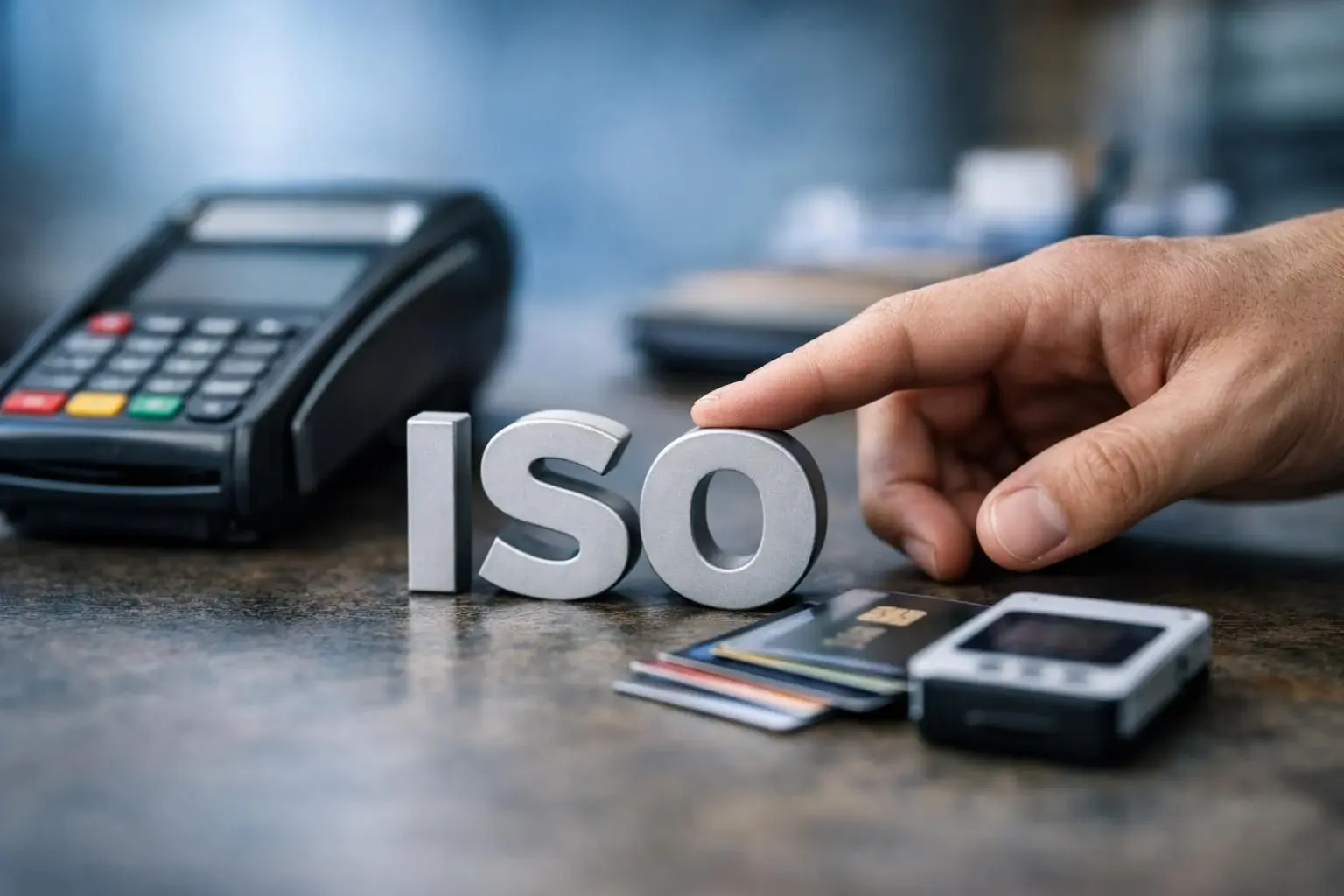
ISOs play a vital role in expanding access to payment processing for businesses of all sizes. For small and mid-sized merchants, ISOs offer a more accessible entry point into the payment ecosystem compared to working directly with acquiring banks, which often have stringent underwriting criteria and higher barriers to entry. By providing localized support, flexible equipment options. And competitive pricing, ISOs help merchants accept card payments efficiently, which is essential for growth in an increasingly cashless economy.
From the perspective of acquiring banks and card networks, ISOs serve as force multipliers, extending their reach into markets that might otherwise be underserved. ISOs handle the sales, onboarding. And day-to-day support of merchants, allowing banks to focus on core processing functions and risk management. This symbiotic relationship benefits the entire payment ecosystem, ensuring that merchants can accept payments securely and consumers can use their preferred payment methods with confidence.
When ISO Matters Most?
ISOs become particularly important for merchants during key moments in their business lifecycle. For new businesses, an ISO can simplify the process of setting up a merchant account, which is often a prerequisite for accepting credit and debit cards. ISOs provide guidance on equipment selection, pricing structures. And compliance requirements, helping merchants avoid common pitfalls that could delay or derail their ability to process payments. For established businesses, ISOs offer ongoing support for issues such as chargebacks, fraud prevention. And equipment upgrades, ensuring that payment processing remains smooth and secure.
ISOs also matter when merchants seek to expand their payment capabilities, such as adding online or mobile payment options. An ISO can recommend and put in place the necessary technology, such as virtual terminals or payment gateways, to support these channels. And merchants in high-risk industries - such as travel, e-commerce. Or CBD sales, often rely on ISOs with specialized expertise to secure merchant accounts, as traditional acquiring banks may be reluctant to work with them directly. In these cases, ISOs provide access to underwriting and processing solutions custom to the unique risks and regulatory challenges of these industries.