Glossary

What is Card Brand?

Card Brand is a payment network that establishes the rules, standards. And infrastructure for processing credit, debit. And prepaid card transactions. Card Brands issue card numbers, define interchange fees, govern security protocols. And ensure global acceptance through their branded payment rails, including Visa, Mastercard, American Express. And Discover.

Sources reviewed: Visa Core Rules and Product Guidelines, Mastercard Rules

Quick Facts About Card Brand

Category

Payment network

Used for

Processing credit, debit. And prepaid card transactions

Also called

Card Network, Payment Brand

Often discussed with

Credit Card Payment Processing, Merchant Account Services

Key Takeaways About Card Brand

Understanding Card Brand
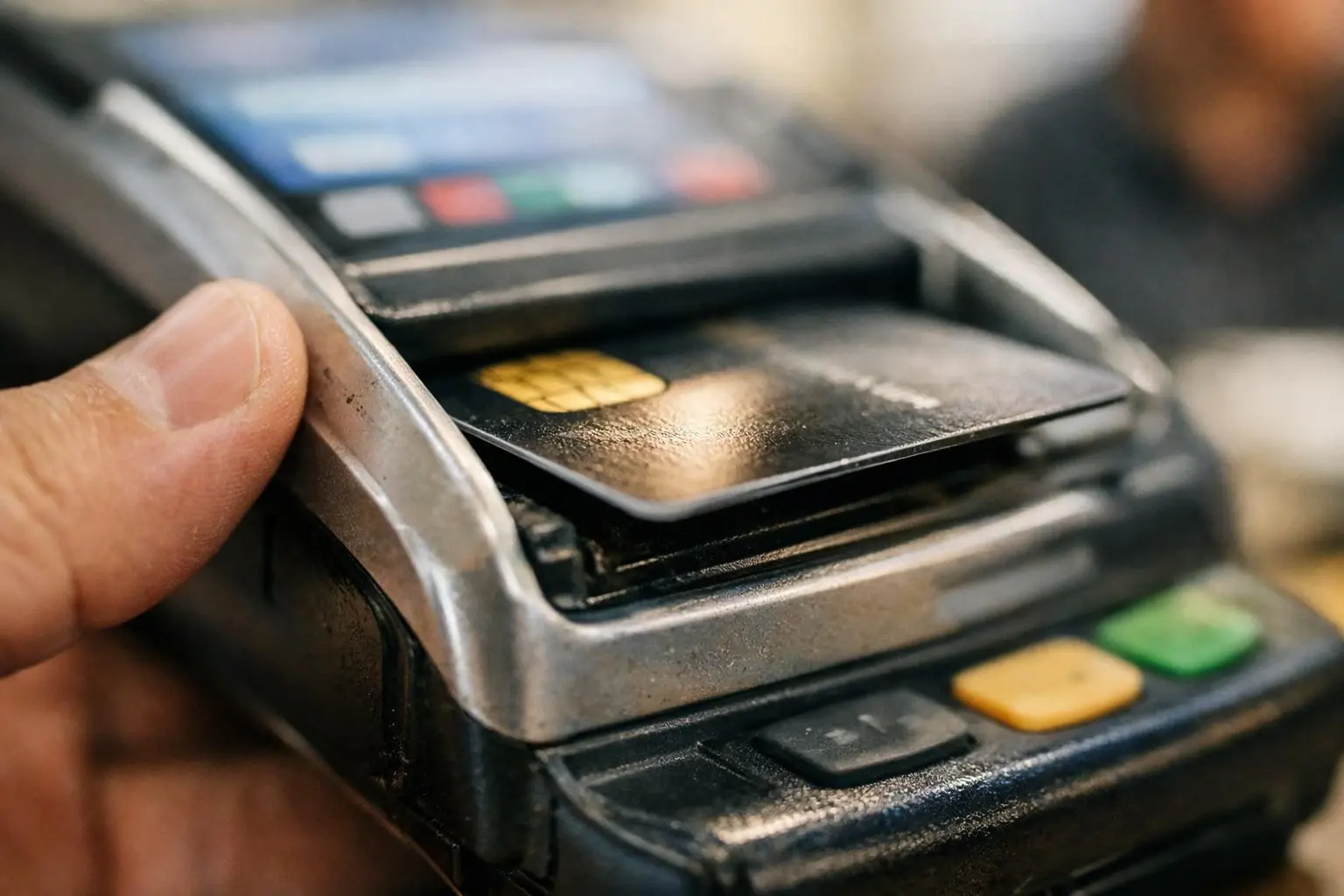
Card Brand in Credit Card Processing: Card Brand is a payment network that establishes the rules, standards. And—visual...

Card Brand refers to the payment networks that help with electronic transactions between merchants, cardholders. And financial institutions. These brands, such as Visa, Mastercard, American Express. And find, create the infrastructure that allows cards to be accepted globally. They define the technical standards for card security, including EMV chip technology, tokenization. And encryption protocols, ensuring that transactions are processed securely and efficiently. Without Card Brands, the modern payment ecosystem would lack the uniformity and reliability needed for smooth commerce.

Related glossary terms: Interchange Fee, Issuing Bank, Payment Processor.

While Card Brands are often recognized by their logos on payment cards, their role extends far beyond branding. They establish the rules governing how transactions are authorized, cleared. And settled, including the fees merchants pay for accepting their cards. These rules cover everything from transaction speeds to dispute resolution processes, making Card Brands a critical component of the financial services industry. For merchants, understanding the specific requirements of each Card Brand is essential for optimizing payment processing costs and ensuring compliance with network regulations.

How Card Brand Works?

Card Brands operate as intermediaries between issuing banks (which provide cards to consumers) and acquiring banks (which enable merchants to accept payments). When a cardholder makes a purchase, the transaction is routed through the Card Brand’s network, which validates the card details, checks for available funds. And approves or declines the transaction. This process happens in seconds, thanks to the global infrastructure maintained by the Card Brand. Each brand has its own network, which means transactions are processed according to the specific rules and fees set by that brand.

Card Brands also play a key role in setting interchange fees, which are paid by merchants to issuing banks for each transaction. These fees vary depending on factors like the type of card (credit, debit, rewards), the merchant’s industry. And the transaction method (card-present vs. Card-not-present). For example, Visa and Mastercard publish interchange fee schedules that merchants must adhere to. While American Express operates on a different model, often charging higher fees but offering direct merchant relationships. And Card Brands enforce security standards, such as the Payment Card Industry Data Security Standard (PCI DSS), to protect sensitive cardholder data and reduce fraud.

Why Card Brand Matters?

How Card Brand applies to Credit Card Processing services in Staten Island, United States—practical illustration

Card Brands matter because they directly impact the cost, speed. And security of payment processing for merchants. The choice of Card Brand can influence interchange fees, which are a significant expense for businesses, especially those with high transaction volumes. For instance, accepting premium rewards cards may result in higher fees. While debit cards typically carry lower costs. Merchants must weigh these factors when selecting which Card Brands to accept, as the mix of cards used by their customers can significantly affect their bottom line.

Beyond fees, Card Brands also shape the customer experience by determining where and how cards can be used. For example, American Express is widely accepted in the U.S. But may have limited acceptance internationally compared to Visa or Mastercard. And Card Brands influence fraud prevention measures, such as requiring CVV codes or implementing two-factor authentication for online transactions. By adhering to the standards set by Card Brands, merchants can reduce the risk of chargebacks and fraudulent transactions, which can be costly and time-consuming to resolve.

When Card Brand Matters Most?

Card Brand considerations become particularly important during key business decisions, such as selecting a payment processor, negotiating merchant account terms. Or expanding into new markets. For example, a merchant opening a new location in Staten Island, NY, may need to ensure their processor supports all major Card Brands to get the most from customer convenience and sales. Similarly, e-commerce businesses must verify that their payment gateway is compatible with the Card Brands their customers prefer, as limited acceptance can lead to cart abandonment and lost revenue.

Many projects start with Card Brand rules also come into play during disputes, chargebacks. Or compliance audits. Merchants must follow the specific procedures outlined by each Card Brand when responding to retrieval requests or chargeback claims. Failure to comply with these rules can result in fines, penalties. Or even the loss of the ability to accept certain cards. And businesses operating in regulated industries, such as healthcare or finance, may need to prioritize Card Brands with strong security features to meet compliance requirements. Understanding these nuances helps merchants avoid costly mistakes and maintain smooth payment operations.

How to Evaluate Card Brand?

Related Concepts Compared

Card Brand vs. Issuing Bank

An issuing bank provides cards to consumers and is responsible for approving or declining transactions. While a Card Brand operates the network that processes transactions between issuing and acquiring banks.

Card Brand vs. Payment Processor

A payment processor handles the technical execution of transactions, whereas a Card Brand sets the rules, fees. And standards that processors must follow.

Card Brand vs. Interchange Fee

Interchange fees are set by Card Brands and paid by merchants to issuing banks. While the Card Brand itself governs the broader transaction ecosystem.

Expert Note

Card Brands are not interchangeable; each has distinct fee structures, security protocols. And global acceptance rates. Merchants should align their Card Brand strategy with their customer demographics and business model to optimize costs and revenue.

Common Mistakes or Myths About Card Brand

  • Assuming all Card Brands charge the same interchange fees or follow identical rules.
  • Believing that accepting only one Card Brand is sufficient for all customers.
  • Confusing Card Brands with issuing banks or payment processors.
  • Ignoring Card Brand-specific chargeback or fraud prevention requirements.
  • Overlooking the impact of Card Brand choice on international sales and customer experience.

Card Brand in Practice: A Real-World Example

A Staten Island retail store notices that 70% of its customers use Visa or Mastercard. While only 10% use American Express. By negotiating lower processing rates for Visa and Mastercard and evaluating the cost of accepting American Express, the store reduces its overall payment processing expenses while maintaining customer convenience.

Sources & Further Reading on Card Brand

  • Visa Core Rules and Product Guidelines
  • Mastercard Rules
  • American Express Merchant Reference Guide
  • Discover Network Operating Regulations

Related Services

Related Terms

Interchange Fee

Interchange Fee is a non-negotiable fee set by card networks like Visa, Mastercard. And Discover that merchants pay to the card-issuing bank for each credit or debit card transaction. This fee compensates the issuing bank for handling risk, fraud prevention. And the cost of funding the transaction until settlement occurs.

Issuing Bank

Issuing Bank is a financial institution that provides credit or debit cards to consumers on behalf of card networks like Visa, Mastercard, American Express. Or Discover. Issuing Banks underwrite applicants, set credit limits, issue physical or virtual cards, bill cardholders. And assume the financial risk for transactions made with their cards.

Payment Processor

Payment Processor is a financial technology company or service that facilitates electronic payment transactions between a merchant, the customer’s bank (issuing bank). And the merchant’s bank (acquiring bank). Payment Processors handle authorization, settlement. And funding of credit card, debit card. And other digital payments, ensuring secure and efficient transfer of funds while complying with industry standards like PCI DSS.

PCI Compliance

PCI Compliance is a set of security standards established by the Payment Card Industry Security Standards Council (PCI SSC) to protect cardholder data during credit and debit card transactions. PCI Compliance ensures businesses handling payment card information maintain a secure environment, reducing the risk of data breaches, fraud. And financial penalties. Compliance is mandatory for all merchants, processors. And service providers that store, process. Or transmit cardholder data.

Chargeback

Chargeback is chargebacks are forced refunds initiated by a cardholder’s bank when the cardholder disputes a transaction, claiming it was unauthorized, fraudulent. Or not as described. Chargebacks reverse the payment, returning funds to the cardholder while debiting the merchant’s account, often accompanied by fees and potential penalties for the merchant.

CreditCardProcessingStatenIsland.com

Have Questions About Card Brand?

Contact CreditCardProcessingStatenIsland.com for practical guidance on Card Brand and related credit card processing work in Staten Island.

Contact Us