Understanding Virtual Terminal
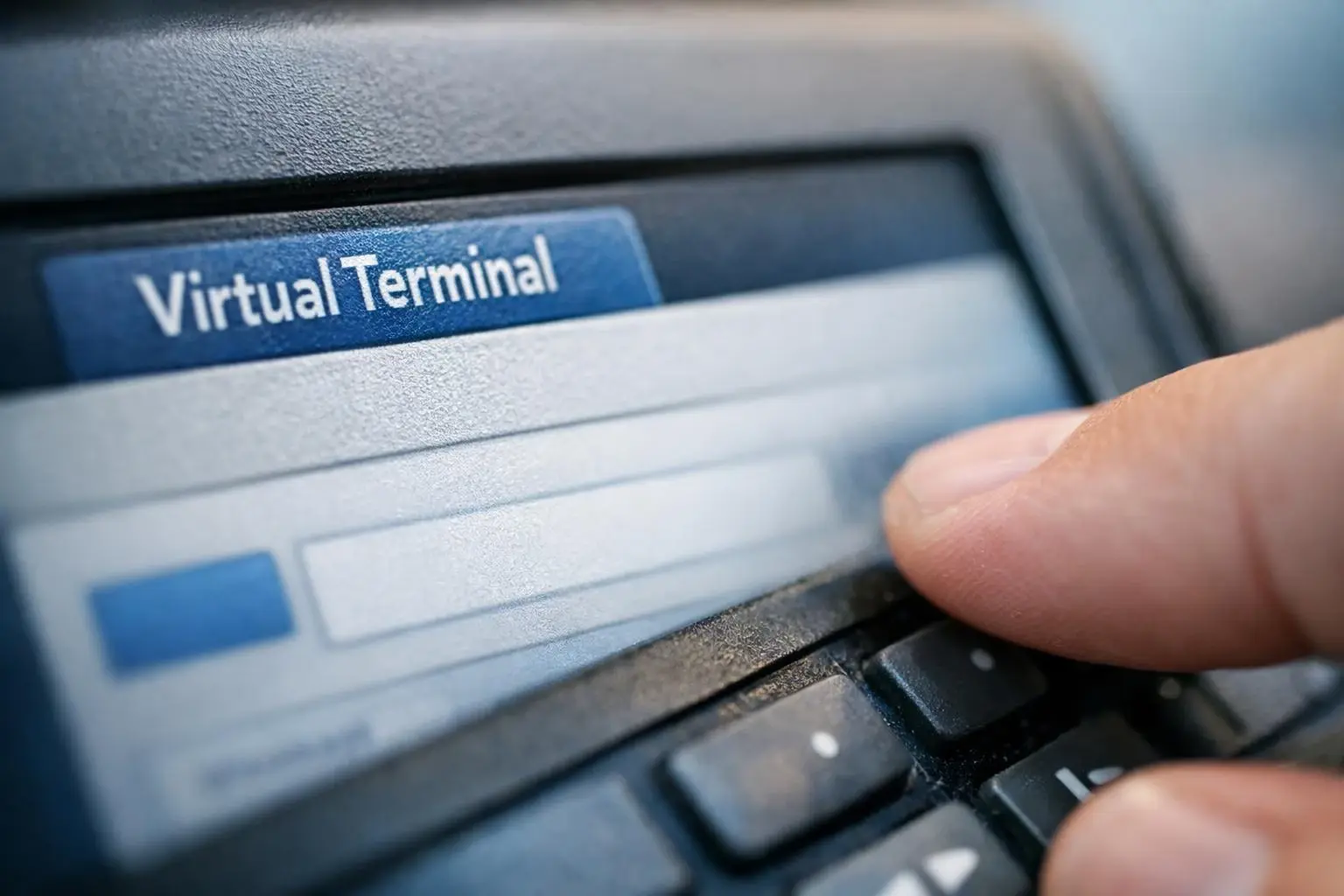
A Virtual Terminal is a secure, web-based interface that enables merchants to process credit and debit card payments manually, without the need for physical card readers or in-person transactions. Unlike traditional point-of-sale (POS) systems, which require a card to be swiped, dipped. Or tapped, a Virtual Terminal allows businesses to input payment details directly into a browser-based dashboard. This makes it an essential tool for businesses that accept payments over the phone, through mail orders. Or via invoicing, where the cardholder is not physically present.
Virtual Terminals are typically provided by payment processors or merchant service providers as part of a broader suite of payment solutions. They're designed to be accessible from any internet-connected device, including computers, tablets. Or smartphones, provided the user has the correct login credentials. Because they handle sensitive cardholder data, Virtual Terminals must comply with the Payment Card Industry Data Security Standard (PCI DSS) to ensure the security of transactions and protect against fraud.
How Virtual Terminal Works?
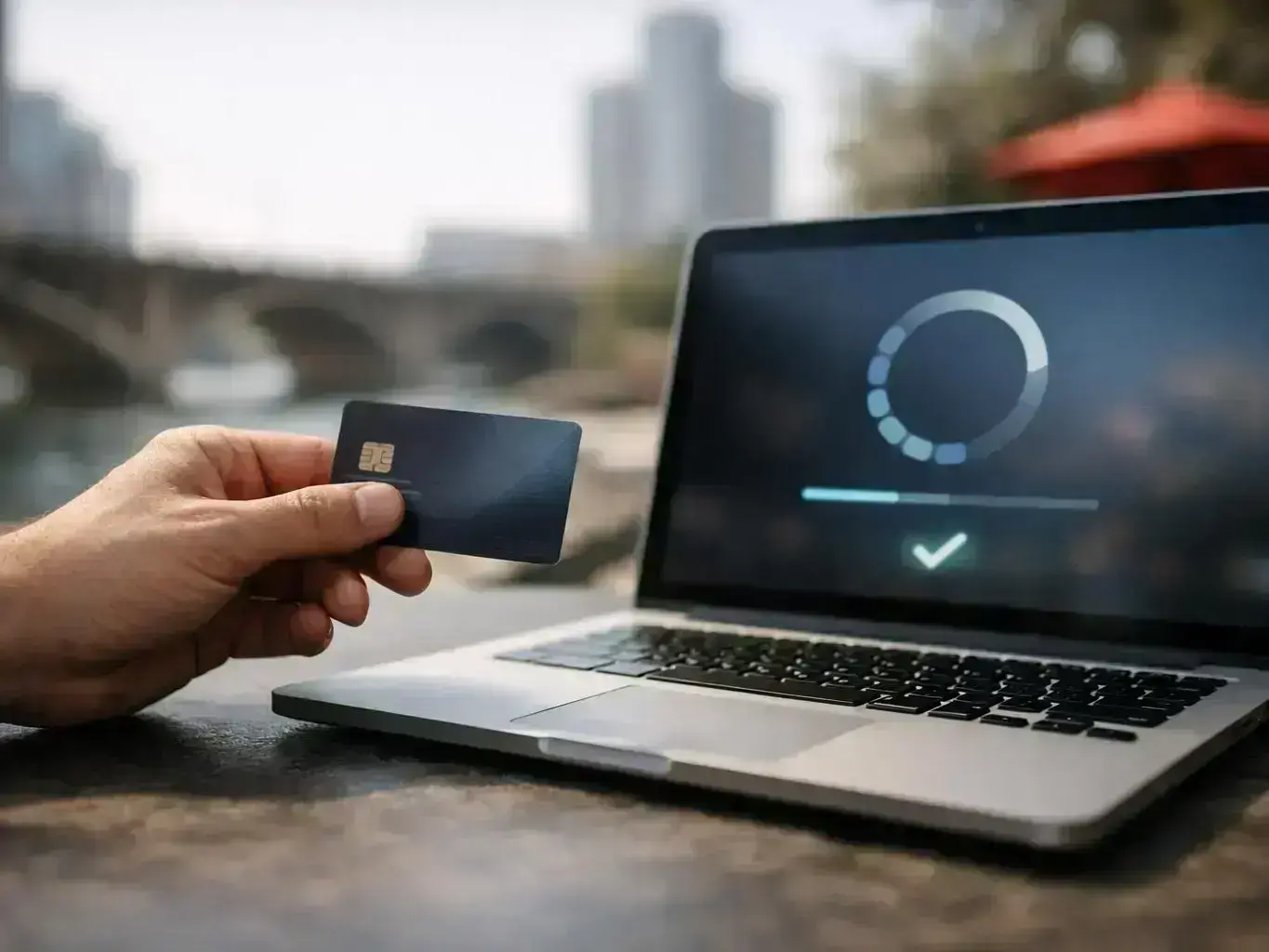
Using a Virtual Terminal involves a straightforward workflow. First, the merchant logs into the secure web portal provided by their payment processor. Once logged in, they enter the customer’s payment details, including the card number, expiration date, CVV code. And billing address. The Virtual Terminal may also include fields for additional information, such as the transaction amount, invoice number. Or customer notes. After submitting the details, the Virtual Terminal sends the information to the payment processor for authorization.
The payment processor then routes the transaction to the card network (e.g., Visa, Mastercard) and the issuing bank for approval. Within seconds, the merchant receives a response indicating whether the transaction was approved or declined. If approved, the Virtual Terminal generates a receipt, which can be emailed to the customer or printed for record-keeping. The entire process typically takes less than a minute, making it efficient for businesses that handle a moderate volume of manual transactions.
Virtual Terminals often include additional features to simplify operations. For example, some platforms allow merchants to save customer profiles for recurring payments, set up automatic receipts. Or integrate with accounting software. Others may offer fraud detection tools, such as address verification service (AVS) or CVV checks, to reduce the risk of chargebacks. Despite these features, the core function remains the same: enabling secure, manual entry of card payments.
Why Virtual Terminal Matters?
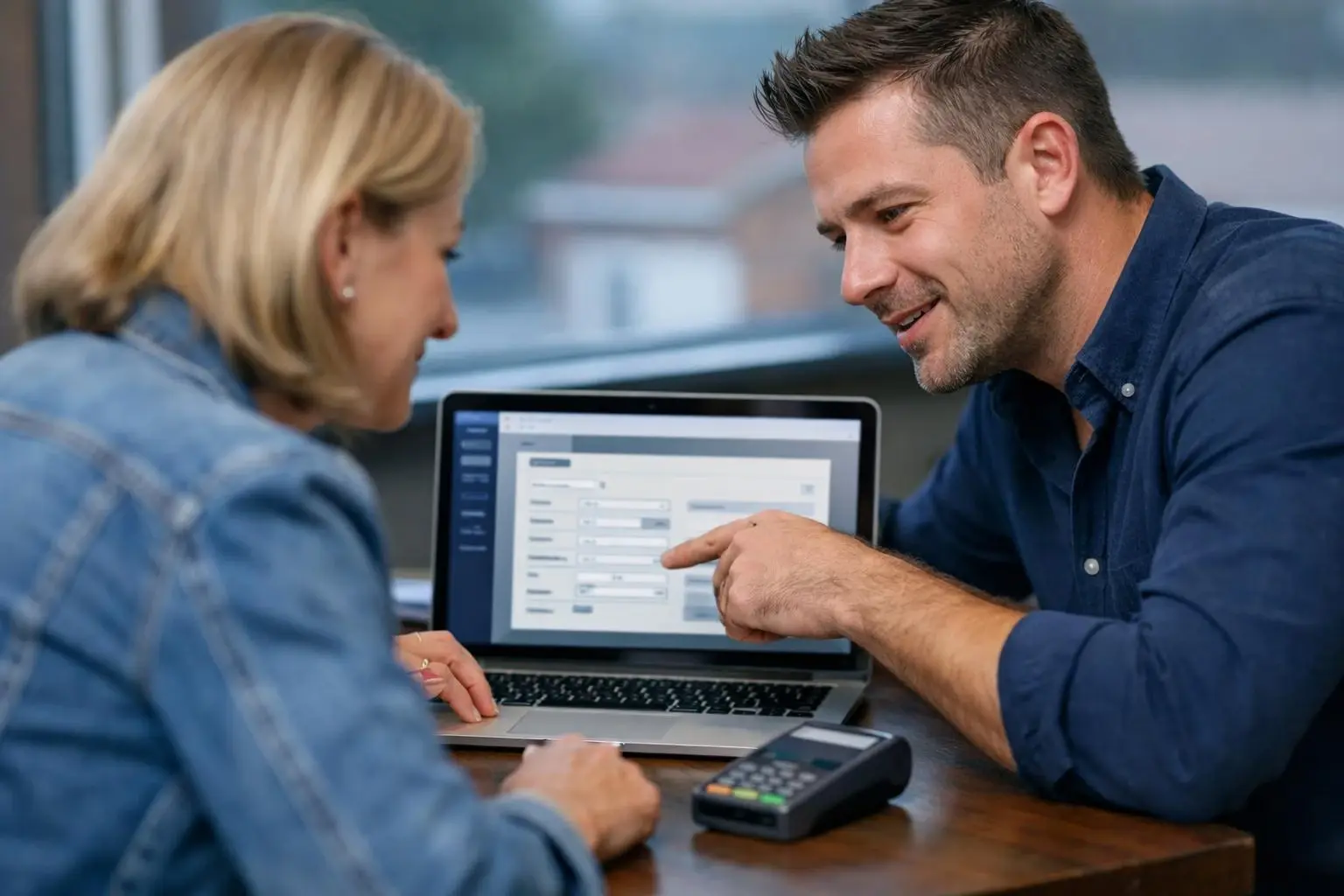
Virtual Terminals play a critical role in enabling businesses to accept payments in situations where traditional card readers are impractical or unavailable. For example, businesses that operate primarily through phone orders, such as catalog retailers, service providers. Or B2B companies, rely on Virtual Terminals to process payments efficiently. Without this tool, these businesses would be limited to cash, checks. Or bank transfers, which are slower and less convenient for both merchants and customers.
Another key advantage of Virtual Terminals is their flexibility. Because they are web-based, merchants can access them from virtually anywhere, making them ideal for businesses with remote teams, pop-up shops. Or mobile operations. This flexibility also extends to the types of transactions they support, including one-time payments, recurring billing. And partial payments. And Virtual Terminals often integrate with other business tools, such as customer relationship management (CRM) systems or invoicing software, further enhancing their utility.
When Virtual Terminal Matters Most?
Virtual Terminals are particularly valuable in scenarios where card-not-present transactions are the norm. For instance, businesses that take orders over the phone, such as restaurants offering delivery or service providers scheduling appointments, depend on Virtual Terminals to process payments quickly and securely. Similarly, companies that invoice customers after delivering goods or services can use Virtual Terminals to manually enter payments once they receive the invoice details.
A practical next step is Virtual Terminals also become essential during disruptions to normal business operations. For example, if a brick-and-mortar store’s POS system goes offline, a Virtual Terminal can serve as a temporary backup, allowing the business to continue accepting payments. Likewise, businesses that experience seasonal spikes in phone orders, such as holiday retailers, may rely on Virtual Terminals to handle increased transaction volumes without investing in additional hardware.
Finally, Virtual Terminals are a critical tool for businesses that need to comply with PCI DSS requirements. Because they are designed to securely handle sensitive cardholder data, Virtual Terminals help merchants avoid the risks associated with storing or transmitting payment information manually. This is especially important for small businesses that may not have the resources to put in place complex security measures on their own.