Understanding Recurring Billing
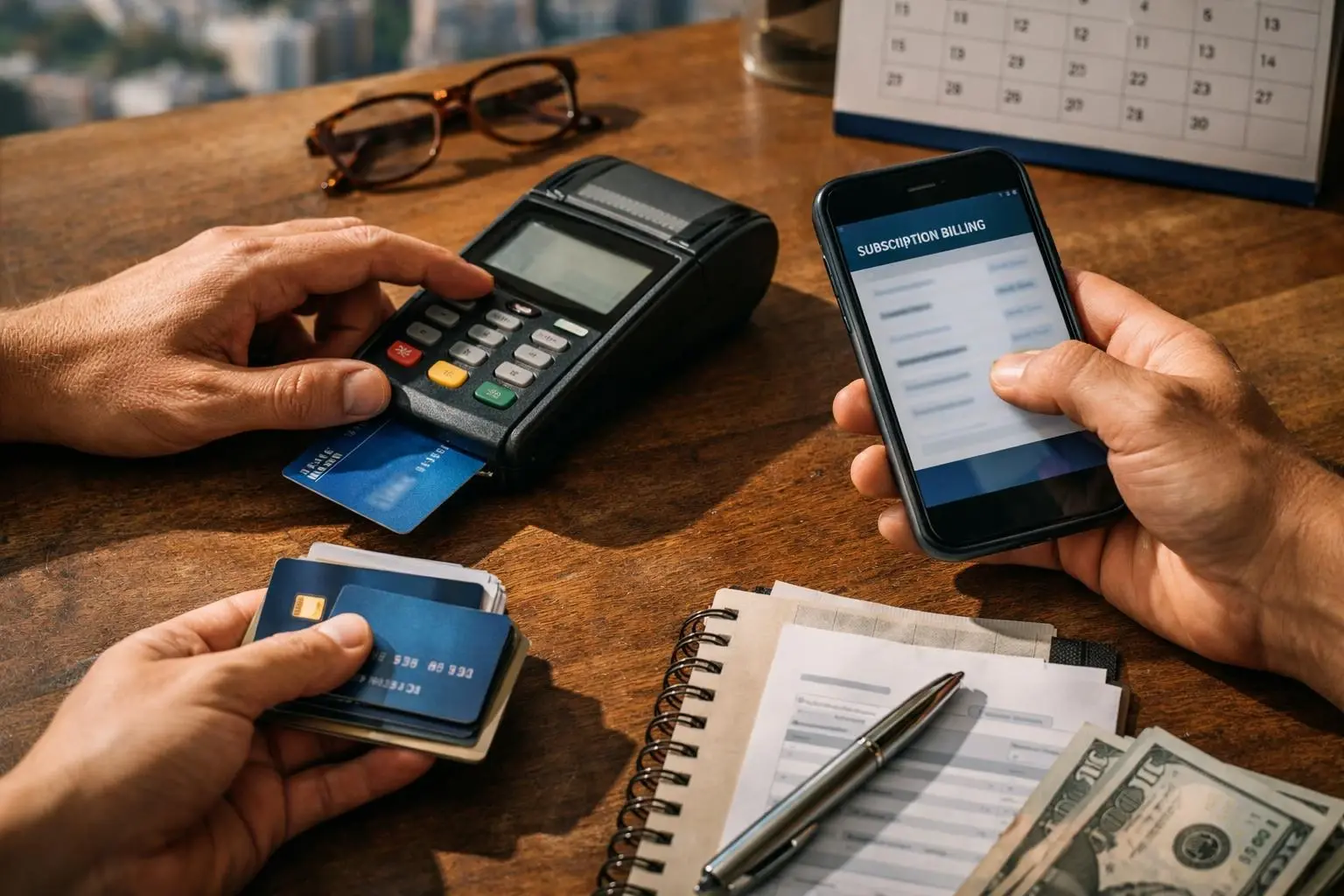
Recurring Billing is a payment arrangement that allows businesses to charge customers automatically on a predetermined schedule. Unlike one-time transactions, Recurring Billing relies on pre-authorized payment details stored securely by the merchant or payment processor. This model is widely adopted by businesses offering subscription-based services, such as streaming platforms, gym memberships. Or software-as-a-service (SaaS) products. By automating the billing process, merchants reduce administrative overhead and cut down on the risk of missed payments. While customers enjoy uninterrupted access to services without manual renewal.
Recurring Billing operates on a cycle defined by the merchant, which can range from weekly to annually. For example, a monthly subscription service will charge the customer’s card on the same day each month. The process begins when a customer provides consent and their payment details during the initial signup. These details are tokenized or encrypted to comply with Payment Card Industry Data Security Standard (PCI DSS) requirements, ensuring sensitive information is never stored in plain text. Once the billing cycle is set, the payment processor initiates transactions automatically, sending receipts to the customer via email or other preferred communication channels.
How Recurring Billing Works?
The workflow for Recurring Billing involves several key steps. First, the customer signs up for a service or subscription and provides their payment information. This data is securely transmitted to the payment processor, which stores it in a vault or tokenizes it to replace sensitive details with a unique identifier. When the billing date arrives, the processor retrieves the tokenized information and submits a transaction request to the customer’s issuing bank. If the transaction is approved, funds are transferred from the customer’s account to the merchant’s account. And a receipt is generated.
If a transaction fails—due to an expired card, insufficient funds. Or a declined authorization—the system typically retries the payment after a set period. Many merchants put in place dunning management to handle failed payments, which may include automated emails to the customer requesting updated payment details. Some advanced systems also integrate with account updater services provided by card networks like Visa and Mastercard, which automatically update expired or replaced card information to reduce churn. This automation helps maintain steady revenue streams and reduces the need for manual intervention.
Why Recurring Billing Matters?
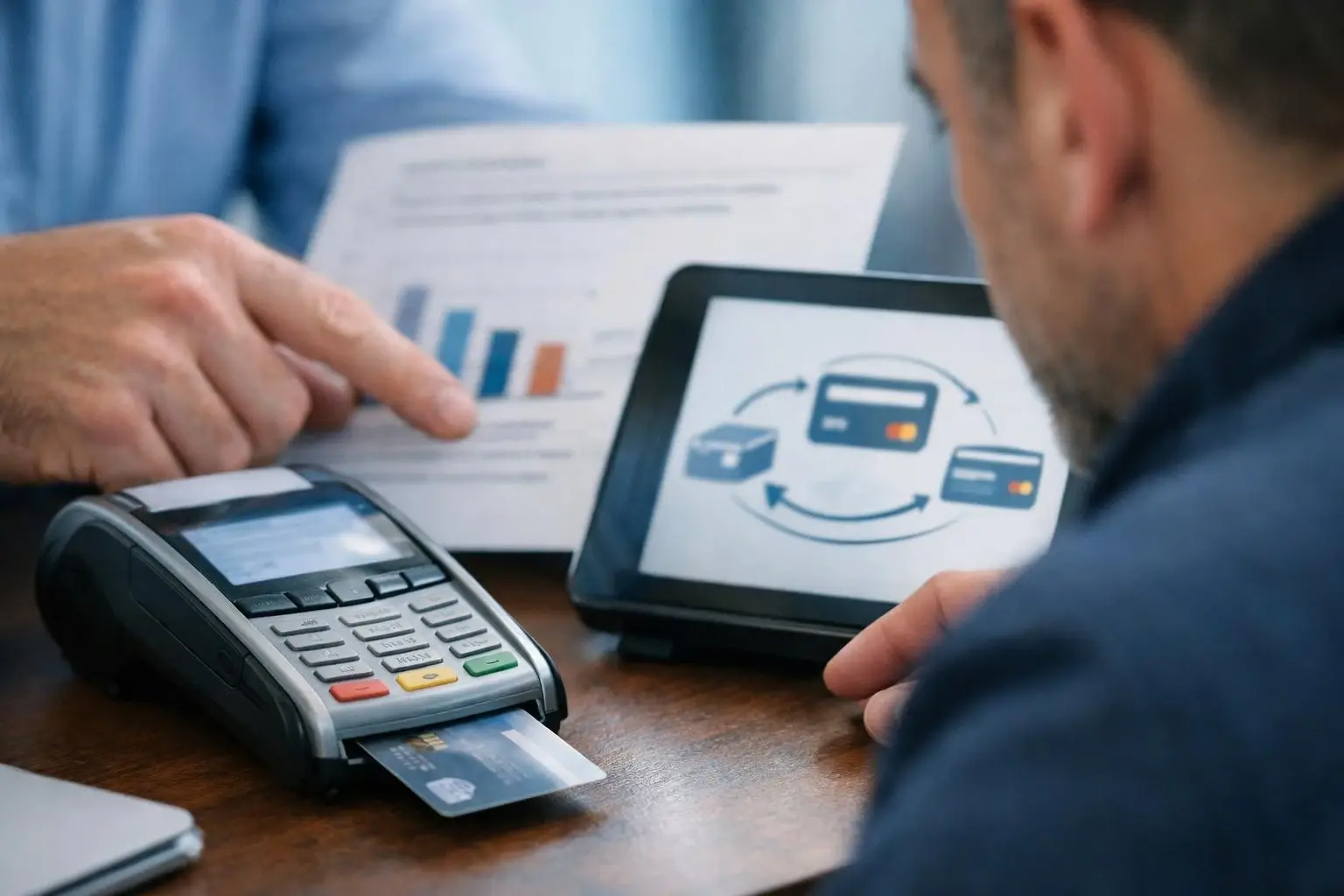
Recurring Billing offers significant advantages for both merchants and customers. For businesses, it provides predictable revenue, reduces administrative costs associated with manual billing. And improves customer retention by eliminating friction in the payment process. Automated billing also minimizes human error, such as missed invoices or incorrect charges, which can lead to disputes or chargebacks. For customers, Recurring Billing offers convenience and clear next steps, ensuring uninterrupted access to services without the hassle of remembering to pay each cycle.
From a financial perspective, Recurring Billing helps businesses forecast cash flow more accurately, which is critical for budgeting, inventory management. And growth planning. It also enables companies to scale their subscription models efficiently, as the process is largely automated. But merchants must balance these benefits with the responsibility of safeguarding customer data and complying with industry regulations. Failure to do so can result in security breaches, financial penalties. Or loss of customer trust.
When Recurring Billing Matters Most?
Recurring Billing is particularly valuable for businesses with ongoing customer relationships, such as subscription boxes, SaaS providers, utility companies. And membership-based organizations. It becomes essential when manual billing would be impractical or inefficient, such as for services with high transaction volumes or frequent billing cycles. For example, a streaming service with millions of subscribers can't rely on manual invoicing; Recurring Billing ensures smooth, scalable payment collection.
Recurring Billing also matters most in industries where customer retention is critical. Businesses that rely on recurring revenue, such as gyms or software companies, benefit from the reduced churn associated with automated payments. And Recurring Billing is crucial for compliance-sensitive sectors, such as healthcare or financial services, where secure and consistent payment processing is required. Merchants must also consider the potential risks, such as failed transactions due to expired cards or insufficient funds. And put in place strategies to mitigate these issues, such as dunning management or account updater services.